
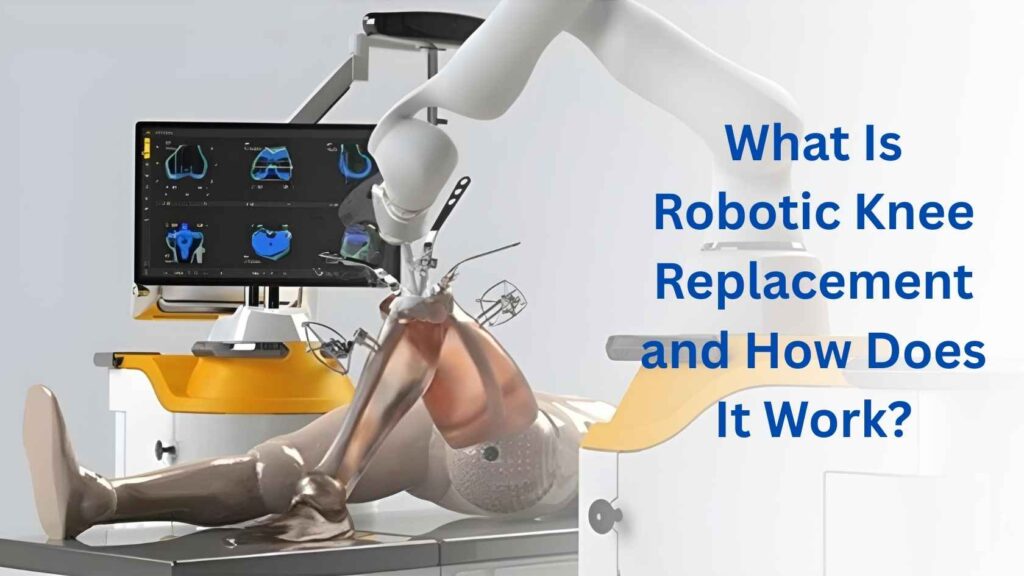
What Is Robotic Knee Replacement and How Does It Work, For individuals in Kerala exploring advanced solutions for chronic knee problems, understanding what robotic knee replacement is and how it works helps in making informed treatment decisions. Robotic knee replacement is a modern surgical approach designed to improve accuracy in joint replacement procedures while aiming to restore mobility and reduce long-term discomfort. It is commonly recommended when knee damage from arthritis or injury significantly affects daily function and quality of life.
Robotic-assisted knee replacement combines surgical expertise with computer-guided technology to plan and perform joint replacement with greater precision. The approach focuses on careful assessment, accurate implant placement, and improved alignment to support long-term joint function.
1. Understanding Knee Joint Damage
The knee joint plays a crucial role in supporting body weight and enabling movement such as walking, bending, and standing. Over time, conditions such as osteoarthritis, rheumatoid arthritis, cartilage wear, or trauma can lead to progressive joint damage.
As the joint deteriorates, individuals may experience:
Persistent knee pain
Stiffness and reduced flexibility
Difficulty walking or climbing stairs
Swelling and inflammation
Reduced independence in daily activities
When non-surgical treatments no longer provide relief, knee replacement surgery may be considered.
2. What Is Robotic Knee Replacement?
Robotic knee replacement is a surgical procedure in which a damaged knee joint is replaced with an artificial implant using robotic-assisted technology. The robotic system helps guide the surgeon in planning and executing the procedure with high precision.
The technology does not perform surgery independently. Instead, it supports the surgeon by providing real-time data, visual guidance, and controlled assistance during bone preparation and implant placement.
The aim of robotic assistance is to enhance accuracy, improve alignment, and support better functional outcomes.
3. How Robotic Knee Replacement Works
Robotic knee replacement involves a structured process that begins well before the surgery itself. The procedure typically includes detailed planning, surgical execution, and post-operative rehabilitation.
The robotic system assists in:
Mapping the patient’s knee structure
Planning implant positioning
Guiding bone preparation
Supporting accurate alignment
Monitoring movement during surgery
This process allows for a personalized surgical approach based on each patient’s anatomy.
4. Pre-Surgical Planning and Imaging
Before robotic knee replacement, detailed imaging studies such as X-rays or scans are used to understand joint damage and alignment. These images help create a digital model of the knee.
This model supports surgical planning by:
Identifying damaged areas
Determining implant size and placement
Assessing alignment and joint balance
Planning bone preparation
Pre-surgical planning allows the procedure to be customized to individual joint anatomy.
5. Role of Robotic Technology During Surgery
During the procedure, the robotic system provides real-time guidance based on the pre-surgical plan. It helps ensure that bone preparation and implant placement follow the planned alignment and positioning.
The surgeon remains in full control throughout the surgery while using the robotic system for assistance. The system supports precision and consistency during each step.
This approach helps improve accuracy and supports joint balance.
6. Implant Placement and Alignment
One of the key advantages of robotic knee replacement is improved alignment. Proper positioning of the implant plays an important role in joint function and long-term outcomes.
The robotic system assists in:
Measuring joint movement
Adjusting implant positioning
Ensuring correct alignment
Supporting joint stability
Accurate implant placement helps improve comfort and mobility after recovery.
7. Differences from Conventional Knee Replacement
Traditional knee replacement relies primarily on manual techniques and standard surgical tools. Robotic knee replacement introduces digital planning and guided assistance.
Key differences may include:
Personalized surgical planning
Real-time guidance during surgery
Enhanced alignment accuracy
Improved joint balance assessment
Both approaches aim to relieve pain and restore function, but robotic assistance focuses on precision and customization.
8. Conditions Treated with Robotic Knee Replacement
Robotic knee replacement is often recommended for individuals with advanced joint damage. Common conditions include:
Osteoarthritis
Rheumatoid arthritis
Post-traumatic arthritis
Severe cartilage damage
Joint deformity
The procedure is typically considered when conservative treatments such as medication, physiotherapy, or injections no longer provide relief.
9. Benefits of Robotic Knee Replacement
Robotic assistance may contribute to improved surgical planning and execution. Potential benefits may include:
Enhanced accuracy
Improved joint alignment
Better implant positioning
More personalized treatment approach
Support for improved mobility outcomes
Individual results vary based on overall health, joint condition, and rehabilitation efforts.
10. Importance of Surgeon Expertise
While robotic technology enhances precision, surgical expertise remains essential. The surgeon interprets imaging data, plans the procedure, and performs each step with the support of the robotic system.
Successful outcomes depend on:
Careful evaluation
Accurate planning
Skilled surgical technique
Post-surgical rehabilitation
Technology supports decision-making but does not replace clinical judgment.
11. Surgical Procedure Overview
The robotic knee replacement procedure involves several key steps. These include preparing the joint, removing damaged surfaces, and placing the artificial implant.
The process typically involves:
Administering anesthesia
Accessing the knee joint
Removing damaged bone and cartilage
Placing the implant with robotic guidance
Testing joint movement and alignment
After surgery, the incision is closed and recovery begins.
12. Recovery and Rehabilitation Process
Recovery after robotic knee replacement focuses on restoring movement, strength, and function. Early rehabilitation plays a critical role in achieving positive results.
Rehabilitation typically includes:
Gentle joint movement exercises
Strengthening surrounding muscles
Improving flexibility
Gradual return to daily activities
Progress occurs gradually over weeks and months.
13. Long-Term Function and Mobility
Robotic knee replacement aims to improve long-term joint function. Many individuals experience better mobility and reduced discomfort after recovery.
Long-term outcomes depend on:
Consistent rehabilitation
Healthy lifestyle habits
Regular follow-up care
Activity modifications
Maintaining joint health supports sustained results.
14. Safety Considerations
Robotic knee replacement follows established surgical safety protocols. Careful evaluation and planning help reduce risks associated with joint replacement procedures.
Factors that support safe outcomes include:
Pre-operative assessment
Infection prevention measures
Accurate surgical technique
Post-operative monitoring
Awareness and preparation contribute to a smoother recovery.
15. Candidate Evaluation
Not every individual is suitable for robotic knee replacement. Eligibility depends on joint damage severity, overall health, and treatment goals.
Evaluation typically includes:
Medical history review
Physical examination
Imaging analysis
Functional assessment
This process ensures that the procedure is appropriate for the individual’s condition.
16. Role of Personalized Treatment Planning
Robotic knee replacement supports personalized surgical planning. Each procedure is tailored based on the patient’s joint structure and movement patterns.
Personalization helps in:
Selecting appropriate implant size
Planning alignment
Achieving balanced joint movement
Supporting functional recovery
Individualized planning is an important component of modern joint replacement.
17. Expectations from the Procedure
Robotic knee replacement aims to improve comfort, mobility, and quality of life. However, outcomes vary based on individual health, rehabilitation, and adherence to recovery guidance.
Realistic expectations include:
Gradual improvement
Ongoing physiotherapy
Activity modifications
Long-term joint care
Understanding expectations supports a positive treatment experience.
18. Technological Advancements in Knee Replacement
Robotic assistance represents a significant advancement in orthopedic surgery. Technology continues to evolve with improved imaging, planning tools, and surgical guidance systems.
These advancements aim to:
Enhance surgical precision
Improve implant performance
Support faster functional recovery
Provide more personalized care
Continuous innovation contributes to improved treatment approaches.
19. Importance of Follow-Up Care
Regular follow-up helps monitor joint performance and recovery progress. It allows timely identification of any concerns and supports long-term success.
Follow-up care may include:
Physical assessments
Imaging when necessary
Rehabilitation progress review
Lifestyle guidance
Ongoing monitoring supports sustained joint health.
20. Final Overview
Robotic knee replacement is an advanced surgical approach designed to improve accuracy, alignment, and personalization in knee joint replacement procedures. By combining surgical expertise with computer-guided assistance, the procedure aims to restore joint function and support improved mobility.
For individuals in Kerala considering knee replacement, understanding what robotic knee replacement is and how it works helps prepare for informed decisions and realistic expectations. Careful evaluation, precise planning, and structured rehabilitation play important roles in achieving positive outcomes and long-term joint function.
Frequently Asked Questions
1. What is robotic knee replacement surgery?
Robotic knee replacement is a procedure where a damaged knee joint is replaced using robotic-assisted technology to support precise planning and implant placement.
2. How does robotic knee replacement work?
The procedure uses imaging and computer-guided assistance to help the surgeon plan and perform the surgery with improved accuracy and alignment.
3. Is the surgery performed entirely by a robot?
No, the surgeon performs the procedure while the robotic system provides guidance and precision support.
4. Who may need robotic knee replacement?
It is usually considered for individuals with severe arthritis, joint damage, or mobility limitations when non-surgical treatments are no longer effective.
5. What are the benefits of robotic knee replacement?
It may help improve implant positioning, joint alignment, and overall functional outcomes.
6. How is robotic knee replacement different from traditional knee replacement?
Robotic-assisted surgery involves detailed planning and guided assistance, while traditional surgery relies more on manual techniques.
7. What tests are done before robotic knee replacement?
Pre-surgical evaluation usually includes medical assessment, physical examination, and imaging studies to understand joint damage.
8. How long does robotic knee replacement surgery take?
The duration varies depending on individual factors, surgical planning, and joint condition.
9. Is rehabilitation required after robotic knee replacement?
Yes, physiotherapy and guided exercises are essential to restore strength, flexibility, and mobility.
10. What outcomes can be expected after robotic knee replacement?
Many individuals experience improved movement, reduced pain, and better daily function after recovery, though results vary from person to person.

Dr. Muhammed Thameem Puthukkattu is Kerala’s foremost authority in knee replacement surgery, specializing in advanced non-robotic,hip and robotic-assisted techniques that ensure precision and optimal outcomes.