
Total knee replacement surgery is one of the most successful orthopedic procedures in the world. For people suffering from severe knee arthritis, deformity, or long-standing knee pain, it can restore mobility, eliminate pain, and significantly improve quality of life. Modern medical technology, advanced surgical techniques, robotic precision, and improved implant designs have made knee replacement safer and more predictable than ever.
However, like any major surgery, Total Knee Replacement (TKR) also carries certain risks and potential complications. Understanding these risks is extremely important so patients can make informed decisions, prepare properly, and follow postoperative care carefully to reduce complications.
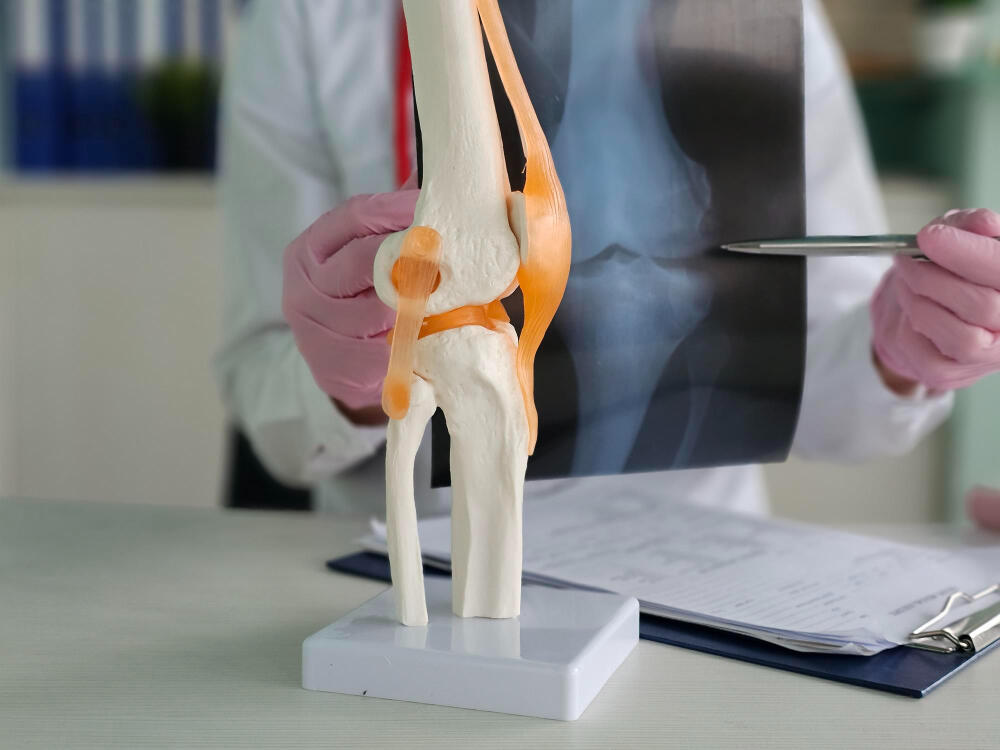
This page explains in simple language:
Possible risks of knee replacement
How common they are
Why they happen
How doctors minimize them
How you can reduce risks
When to seek medical help
The aim is not to frighten patients, but to provide clear, honest, and reassuring information so that you feel confident and prepared.
Why Understanding Risks Is Important
A knee replacement consultation is not just about planning surgery — it is about education, clarity, and transparency.
Understanding risks helps patients:
Reduce fear and anxiety
Know what to realistically expect
Prepare mentally and physically
Follow postoperative instructions properly
Identify warning signs early
Improve recovery outcomes
A well-informed patient always recovers better.
How Safe Is Total Knee Replacement Surgery?
Total knee replacement is considered one of the safest orthopedic surgeries globally. Success rates are very high, with more than 90–95% of patients experiencing:
Significant pain relief
Better mobility
Improved walking ability
Enhanced daily functioning
Long-lasting results (many implants last 15–25+ years)
Complications are uncommon, and most can be managed effectively when identified early and treated by experienced orthopedic teams.
Factors That Influence Risk
Not every patient has the same risk level. Your individual risk depends on:
Age
General medical health
Diabetes or hypertension control
Weight / BMI
Bone quality
Muscle strength
Smoking / alcohol history
Previous knee surgeries
Immunity and healing capacity
Activity level
Your orthopedic surgeon carefully evaluates all these factors before recommending surgery.
Common Risks of Total Knee Replacement Surgery
1️⃣ Infection
What is it?
Infection can occur around the surgical incision or deep inside the replaced joint.
How common is it?
Very rare — less than 1–2% of cases globally.
Symptoms of infection
Redness around wound
Persistent swelling
High fever
Pus discharge
Increasing pain
Bad wound smell
Prevention
Sterile surgical techniques
Antibiotics before & after surgery
Proper wound care
Blood sugar control in diabetic patients
Treatment
Mild infections → antibiotics
Severe infections → rarely require additional procedures
2️⃣ Blood Clots (Deep Vein Thrombosis)
Why does it happen?
Reduced mobility after surgery can slow blood flow, causing clot formation.
Symptoms
Swelling in calves
Pain or tenderness
Warmth or redness in leg
Serious risk
If clot travels to lungs (Pulmonary Embolism) — medical emergency.
Prevention
Blood-thinning medicines
Compression stockings
Early walking after surgery
Leg exercises
Hydration
With proper precautions, risk significantly reduces.
3️⃣ Implant Loosening or Wear Over Time
Why does it happen?
Like any artificial device, knee implants may gradually wear over many years.
More likely in:
Very active patients
Heavy weight patients
High-impact activities
Symptoms
Increasing knee pain
Instability
Reduced movement
Prevention
High-quality modern implants
Proper surgical alignment
Controlled activity lifestyle
Many implants now last 15–25 years or more.
4️⃣ Stiffness or Reduced Knee Movement
What causes stiffness?
Scar tissue formation
Weak muscles
Delayed physiotherapy
Improper rehabilitation
Prevention
Early movement
Regular physiotherapy
Stretching & strengthening exercises
Treatment
In rare severe cases, manipulation under anesthesia may be required.
5️⃣ Persistent Pain
Most patients experience strong relief, but a small percentage may have ongoing discomfort.
Reasons may include
Soft tissue pain
Scar tissue
Minor implant irritation
Nerve sensitivity
Rare complications
Good news
Most pain improves with time, exercises, and proper rehabilitation.
6️⃣ Nerve or Blood Vessel Injury (Rare)
Extremely uncommon due to modern precision surgery.
When occurs:
Temporary numbness or weakness
Usually improves over time
Highly skilled surgeons + careful surgical planning minimize risk.
7️⃣ Bone Fracture During or After Surgery
Rare but possible:
During implant placement
Due to falls post-surgery
Due to weak bones
Managed with fixation or minor additional procedures if needed.
8️⃣ Allergic Reaction
Some patients may react to:
Implant metals (rare)
Anesthesia medicines
Doctors screen allergy history before surgery.
9️⃣ Implant Misalignment or Technical Errors
This is why choosing an experienced knee replacement surgeon matters.
Modern advancements like:
Computer navigation
Robotic knee replacement
Advanced planning software
greatly improve accuracy.
🔟 General Surgical & Anesthesia Risks
As with any major surgery:
Bleeding
Reaction to anesthesia
Heart or breathing issues (rare)
Pre-operative check-ups minimize this risk.
How Doctors Reduce Risks
Experienced orthopedic surgeons follow strict safety protocols:
Comprehensive pre-operative health evaluation
Blood tests & cardiac clearance
Optimizing diabetes & blood pressure
Strict sterile surgery environment
Advanced anesthesia monitoring
Precision surgical techniques
High-quality implants
Early mobilization
Physiotherapy support
Regular follow-ups
This is why treatment under a skilled specialist provides reassurance.
Frequently Asked Questions
1. Is total knee replacement surgery safe?
Total knee replacement is considered a very safe and successful procedure worldwide, but like any major surgery, it carries a few risks.
2. What are the most common risks of total knee replacement surgery?
Common risks include infection, blood clots, stiffness, implant wear, persistent pain, and anesthesia-related complications.
3. How common is infection after knee replacement?
Infection is rare and occurs in less than 1–2% of cases. Proper sterilization, antibiotics, and wound care greatly reduce this risk.
4. Can blood clots occur after knee replacement?
Yes, blood clots (Deep Vein Thrombosis) can occur due to reduced mobility, but doctors prevent this using medicines, stockings, and early walking.
5. Can the knee implant loosen or fail over time?
Yes, implants may wear or loosen over many years, especially in very active or overweight patients, but modern implants are highly durable.
6. Is stiffness common after total knee replacement?
Some patients may experience stiffness if physiotherapy is not followed properly, but exercises and rehabilitation help prevent this.
7. Can pain continue even after knee replacement surgery?
Most patients experience excellent pain relief, but a small percentage may have ongoing discomfort that can usually be managed.
8. Are nerve or blood vessel injuries possible?
These complications are extremely rare due to modern surgical techniques and experienced surgeons.
9. What general surgical risks should I know about?
General risks include bleeding, anesthesia reactions, or heart complications, which are minimized through proper medical evaluation.
10. How can I reduce the risk of complications after knee replacement?
Follow your doctor’s instructions, attend physiotherapy, control diabetes and blood pressure, avoid smoking, and report any unusual symptoms early.
Table of Contents
Total knee replacement surgery is a procedure in which damaged knee joint surfaces are replaced with artificial components to relieve pain and improve movement. Total Knee Replacement
Total knee replacement is suitable for individuals with severe knee pain, stiffness, and joint damage that no longer improves with medications, injections, or physiotherapy. Candidates
The cost of total knee replacement varies based on implant type, surgical technique, hospital stay, and rehabilitation requirements, so an individualized evaluation is essential. Cost
During a consultation, the orthopedic surgeon evaluates symptoms, knee function, X-ray/MRI reports, medical fitness, lifestyle needs, and treatment history to decide whether surgery is necessary — Consultation.
Patients should ask about the necessity of surgery, procedure details, implant type, benefits, risks, hospital stay, recovery time, rehabilitation, and long-term expectations — Questions to Ask.
Total knee replacement is generally safe and highly successful, though complications like infection, bleeding, blood clots, stiffness, or implant wear may rarely occur, which can be minimized with expert care — Risks and Safety.
Preparation includes medical evaluation, medication review, pre-surgery exercises, home planning, and understanding the procedure and recovery process. Preparation
The procedure involves removing damaged joint surfaces, placing artificial components, restoring alignment, and closing the joint with postoperative care. Steps
Recovery typically includes pain control, early mobilization, physiotherapy, gradual strength improvement, and regular follow-up visits. Recovery
Most patients experience significant pain relief, improved knee function, better mobility, and enhanced quality of daily activities. Results
Before-and-after results often show reduced pain, improved joint alignment, increased walking ability, and better overall knee movement. Before and after
Choosing the right surgeon involves assessing experience, specialization in joint replacement, patient outcomes, and clear communication. Choosing the right surgeon