
Deciding to undergo total knee replacement surgery is a major step toward restoring mobility, relieving chronic knee pain, and improving quality of life. However, it is natural to feel anxious, confused, or uncertain before surgery. Many patients struggle with doubts such as:
Is surgery really necessary?
What will recovery be like?
Will it be painful?
How long will the implant last?
Are there risks I should know about?
The best way to gain confidence is by asking the right questions to your orthopedic surgeon before surgery. A good consultation is not only for medical evaluation but also for clarity, reassurance, education, and informed decision-making.
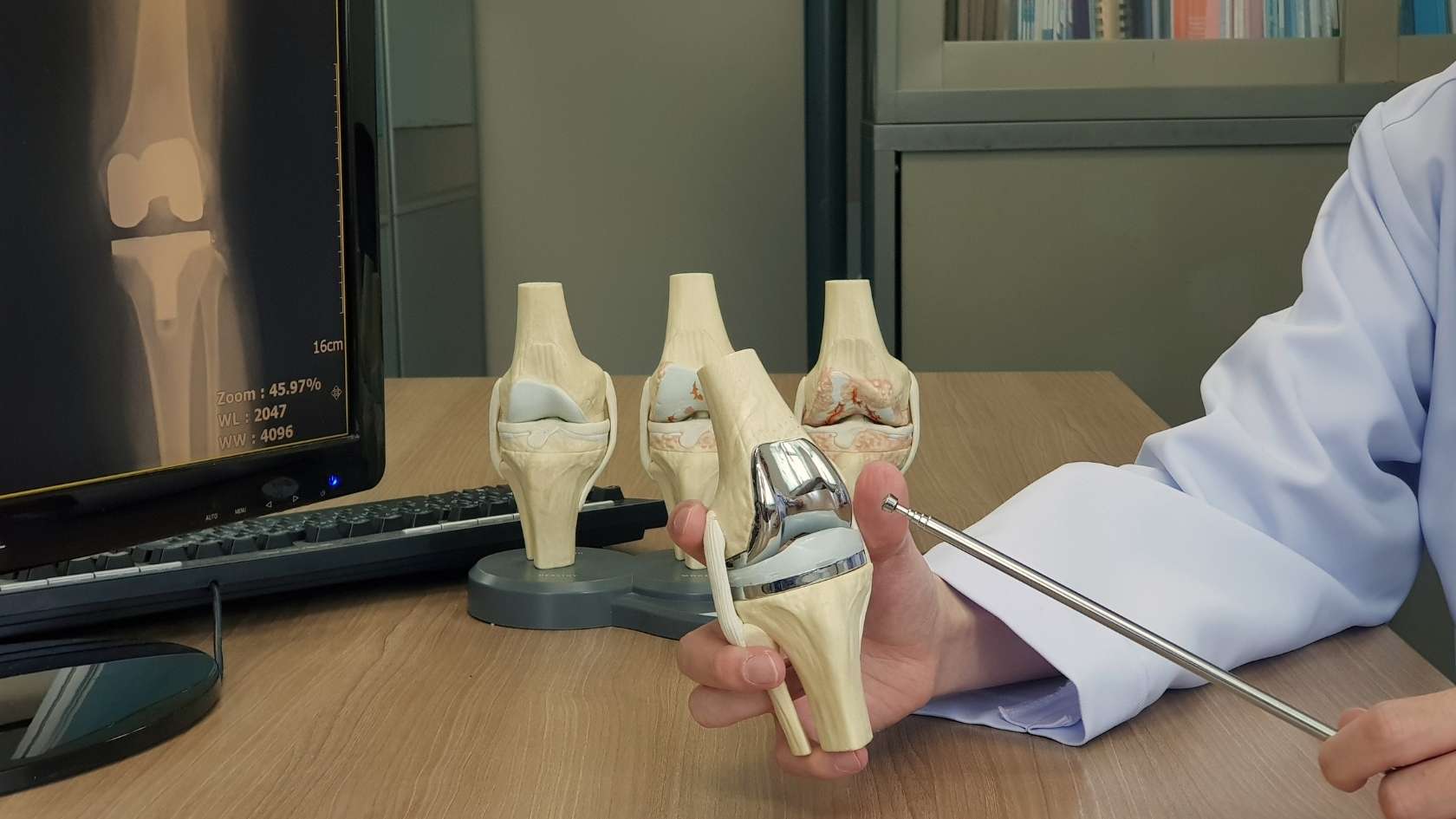
Why Asking Questions Before Knee Replacement Is Important
Every patient has the right to understand their treatment. Asking questions helps you:
Understand whether surgery is truly necessary
Learn how the surgery is performed
Know the benefits and realistic expectations
Understand potential risks
Prepare physically and mentally
Plan recovery and daily life after surgery
Reduce fear and anxiety
Build trust with your surgeon
A well-informed patient recovers faster, follows instructions better, and feels more confident throughout the journey.
Important Questions to Ask Before Total Knee Replacement Surgery
1️⃣ Do I Really Need Knee Replacement Surgery?
This is the most important question.
Ask your doctor:
Is my knee damage severe?
Are there non-surgical options left?
Will delaying surgery worsen the condition?
What symptoms indicate surgery is necessary?
When is knee replacement usually recommended?
Severe knee pain affecting daily activities
Pain even at rest or while sleeping
Difficulty walking, climbing stairs, or standing
Advanced arthritis on X-ray
Stiffness and deformity (bow legs/knock knees)
Failure of medications, physiotherapy, or injections
Your surgeon will explain why surgery is recommended and how it can improve your life.
2️⃣ What Type of Knee Replacement Do I Need?
There are different types of knee replacement surgeries.
Ask:
Do I need total knee replacement or partial knee replacement?
Is robotic or conventional surgery suitable for me?
Why are you recommending this type?
Your doctor will choose based on:
Extent of arthritis
Bone condition
Ligament stability
Age & lifestyle
Understanding the procedure helps you prepare better.
3️⃣ What Benefits Can I Expect After Surgery?
Patients should clearly understand realistic outcomes.
Ask:
Will pain completely disappear?
Will I walk normally again?
Will I regain full movement?
Will I be able to climb stairs?
Will my knee feel natural?
Expected benefits
Most patients experience:
Significant pain relief
Improved movement
Easier walking
Better stability
Enhanced quality of life
However, it is important to understand that improvement happens gradually with rehabilitation.
4️⃣ What Are the Risks and Complications?
Every surgery has risks. Honest discussion builds trust.
Ask your doctor:
What complications should I be aware of?
How common are they?
How do you minimize risks?
What should I do if something goes wrong?
Possible risks include
Infection
Blood clots
Stiffness
Implant wear or loosening
Rare nerve or vessel injury
General anesthesia risks
Your surgeon will explain how modern surgical techniques, sterile procedures, antibiotics, and physiotherapy reduce these risks significantly.
5️⃣ What Preoperative Evaluations Will I Need?
Proper assessment ensures safe surgery.
Ask:
Do I need blood tests?
Will I need an ECG or heart evaluation?
Is diabetes or blood pressure control required?
Should I stop any medication before surgery?
Do I need medical clearance?
Preoperative evaluation may include
Blood investigations
ECG / cardiac clearance
Chest evaluation
Infection screening
Fitness assessment
Ensuring good health before surgery improves outcomes.
6️⃣ What Happens During the Surgery?
Understanding the process reduces fear.
Ask your surgeon to explain:
How long does surgery take?
What anesthesia will be used?
How is the damaged bone removed?
What implant will be used?
How is the new joint fixed?
The doctor will explain the steps simply so you feel comfortable and informed.
7️⃣ What Type of Implant Will Be Used?
Implants are designed to perform like natural knee joints.
Ask:
What brand and type of implant will be used?
How long will it last?
Is it suitable for my lifestyle?
Is there any difference in quality?
Implants today are
Highly durable
Designed to support mobility
Capable of lasting 15–25+ years
Your surgeon selects the best implant based on age, activity level, bone quality, alignment, and medical condition.
8️⃣ What Will Recovery Be Like?
Recovery is one of the biggest patient concerns.
Ask:
How long will I stay in the hospital?
When will I be able to walk again?
Will I need support?
How long will swelling and pain last?
When can I return to work or travel?
General recovery expectations
Standing / walking usually begins within 24–48 hours
Hospital stay typically 2–4 days
Physiotherapy begins immediately
Improvement continues over weeks to months
Your surgeon and physiotherapy team guide every step.
9️⃣ Will I Need Physiotherapy After Surgery?
Physiotherapy is crucial.
Ask:
How long will physiotherapy be needed?
Is supervised physiotherapy required?
Can I do exercises at home?
What happens if I skip physiotherapy?
Physiotherapy helps
Strengthen muscles
Improve flexibility
Enhance movement
Prevent stiffness
Speed recovery
Commitment to physiotherapy ensures excellent results.
🔟 How Much Pain Should I Expect After Surgery?
Most patients fear postoperative pain. Modern medicine ensures comfortable recovery.
Ask:
Will I experience pain?
How will pain be managed?
How long does pain last?
With advanced anesthesia, pain pumps, medications, and modern protocols, pain is well controlled and gradually reduces.
1️⃣1️⃣ When Can I Resume Normal Activities?
Life after knee replacement becomes active again.
Ask:
When can I walk independently?
When can I drive?
Can I sit cross-legged?
Can I travel?
Can I exercise?
Can I return to work?
Your surgeon will guide based on recovery progress.
1️⃣2️⃣ What Lifestyle Changes Will I Need to Make?
Many daily activities improve, but some lifestyle awareness is important.
Ask:
Are there activities I should avoid?
Is weight control important?
Can I do sports?
Generally recommended
Avoid high-impact sports
Maintain healthy weight
Stay active
Follow doctor advice
1️⃣3️⃣ How Long Will the Implant Last?
This is one of the most asked questions.
Ask directly:
What is the lifespan of my implant?
Most modern implants last 15–25 years or more, depending on usage, care, activity, implant quality, and body health.
1️⃣4️⃣ What Will the Cost of Surgery Be?
Financial clarity reduces stress.
Ask:
What is the total cost?
What is included in the package?
Are medicines and physiotherapy included?
Is insurance accepted?
Are EMI or payment plans available?
Transparent discussion helps planning.
1️⃣5️⃣ What Support Will I Need at Home?
Home support is important in early weeks.
Ask:
Do I need help for daily activities?
Should I modify my home?
Do I need walking aids?
Your doctor may suggest:
Support rails
Non-slippery flooring
Walker initially
Elevated toilet seat
Proper preparation makes home recovery comfortable.
1️⃣6️⃣ What Warning Signs Should I Watch After Surgery?
Early identification prevents complications.
Ask:
When should I call the doctor?
What symptoms are concerning?
Seek urgent care if:
High fever
Severe swelling
Increasing redness or pus
Sudden severe pain
Chest pain or breathlessness
Calf swelling / pain
Prompt action ensures safety.
Frequently Asked Questions
1. What questions should I ask before deciding on total knee replacement surgery?
You should ask whether surgery is necessary, how severe your knee condition is, and if non-surgical treatments like medication or physiotherapy can still help.
2. What benefits should I expect after total knee replacement surgery?
Most patients experience significant pain relief, improved mobility, better walking ability, and enhanced quality of life after recovery.
3. Should I ask about the risks before knee replacement surgery?
Yes, ask about possible risks such as infection, blood clots, stiffness, implant wear, anesthesia risks, and how your doctor minimizes these complications.
4. Should I ask which type of knee replacement surgery is suitable for me?
Yes. Discuss whether you need total or partial knee replacement and whether robotic or conventional knee replacement is best for your condition.
5. What should I ask about the knee implant before surgery?
Ask about the implant brand, type, durability, expected lifespan, and why your surgeon recommends that specific implant for you.
6. What should I ask about recovery and rehabilitation?
Ask how long hospital stay will be, when you can walk, how long recovery takes, physiotherapy needs, and when you can return to normal activities.
7. Should I ask about pain management after knee replacement surgery?
Yes. Discuss how pain will be controlled after surgery, what medications will be used, and how long discomfort may last.
8. What lifestyle-related questions should I ask before knee replacement?
Ask whether you can climb stairs, kneel, drive, travel, exercise, and when you can safely return to daily activities or work.
9. Should I ask about surgery cost and insurance coverage?
Yes. Ask about total cost, package inclusions, insurance coverage, additional charges, and physiotherapy or follow-up expenses.
10. What warning signs should I ask about before surgery?
Ask which symptoms require urgent medical attention after surgery, such as swelling, fever, severe pain, calf pain, or breathing difficulty.
Table of Contents
Total knee replacement surgery is a procedure in which damaged knee joint surfaces are replaced with artificial components to relieve pain and improve movement. Total Knee Replacement
Total knee replacement is suitable for individuals with severe knee pain, stiffness, and joint damage that no longer improves with medications, injections, or physiotherapy. Candidates
The cost of total knee replacement varies based on implant type, surgical technique, hospital stay, and rehabilitation requirements, so an individualized evaluation is essential. Cost
During a consultation, the orthopedic surgeon evaluates symptoms, knee function, X-ray/MRI reports, medical fitness, lifestyle needs, and treatment history to decide whether surgery is necessary — Consultation.
Patients should ask about the necessity of surgery, procedure details, implant type, benefits, risks, hospital stay, recovery time, rehabilitation, and long-term expectations — Questions to Ask.
Total knee replacement is generally safe and highly successful, though complications like infection, bleeding, blood clots, stiffness, or implant wear may rarely occur, which can be minimized with expert care — Risks and Safety.
Preparation includes medical evaluation, medication review, pre-surgery exercises, home planning, and understanding the procedure and recovery process. Preparation
The procedure involves removing damaged joint surfaces, placing artificial components, restoring alignment, and closing the joint with postoperative care. Steps
Recovery typically includes pain control, early mobilization, physiotherapy, gradual strength improvement, and regular follow-up visits. Recovery
Most patients experience significant pain relief, improved knee function, better mobility, and enhanced quality of daily activities. Results
Before-and-after results often show reduced pain, improved joint alignment, increased walking ability, and better overall knee movement. Before and after
Choosing the right surgeon involves assessing experience, specialization in joint replacement, patient outcomes, and clear communication. Choosing the right surgeon