
Living with chronic knee pain can affect every part of your life. Walking becomes difficult, climbing stairs feels like a challenge, sleep can get disturbed, and activities you once enjoyed slowly disappear from your routine. When medications, injections, and physiotherapy no longer help, Total Knee Replacement Surgery becomes one of the most reliable and proven treatments to restore mobility, reduce pain, and improve quality of life.
However, not everyone with knee pain needs surgery. Total knee replacement is recommended only when specific medical and functional conditions are met. Understanding whether you are the right candidate is the first and most important step in your treatment journey.
This detailed guide explains:
-
Who qualifies for knee replacement
-
When surgery is recommended
-
Medical conditions that make you suitable
-
Age factors
-
When surgery should be avoided
-
What doctors evaluate before recommending surgery
-
And how to decide confidently
Understanding Total Knee Replacement Surgery
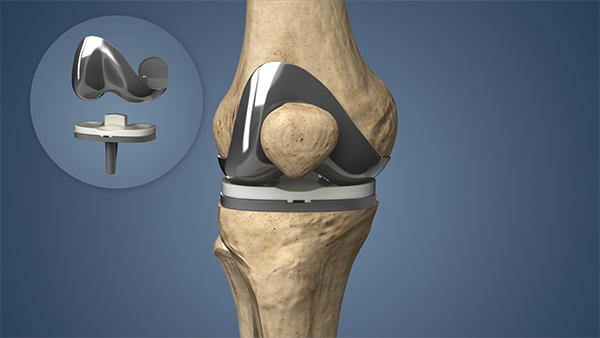
Total Knee Replacement (TKR), also called Total Knee Arthroplasty, is a procedure in which damaged cartilage and parts of the knee joint are replaced with high-quality artificial implants. These implants mimic the natural movement of the knee and help relieve pain, stiffness, and deformity.
It is a highly successful procedure worldwide, with millions of patients regaining mobility and independence every year.
Who Is a Good Candidate for Total Knee Replacement Surgery?
You may be considered a good candidate for knee replacement if one or more of the following apply to you:
1️⃣ You Have Severe Knee Pain That Affects Daily Life
If knee pain is preventing you from living normally, it is one of the strongest indications.
You may be a candidate if you experience:
-
Pain while walking
-
Pain during standing or sitting for long periods
-
Pain while climbing stairs
-
Pain even at rest or during sleep
-
Difficulty squatting or sitting cross-legged
-
Frequent swelling or stiffness
-
Knee locking or instability
When pain starts restricting your lifestyle and daily independence, surgery may be necessary.
2️⃣ Non-Surgical Treatments Have Failed
Knee replacement is recommended only after conservative treatments fail.
If you have tried the following without improvement, surgery becomes the next best step:
-
Pain-relief medications
-
Physiotherapy & exercises
-
Weight management
-
Knee braces
-
Steroid or gel injections
-
Lifestyle modification
-
Rest and activity regulation
If pain returns soon after these treatments or never improves significantly, knee replacement may be required.
3️⃣ Advanced Arthritis of the Knee
Total Knee Replacement is commonly performed in the following conditions:
✔ Osteoarthritis
The most common cause.
Cartilage gradually wears away leading to bone rubbing on bone, causing severe pain and stiffness.
✔ Rheumatoid Arthritis
An autoimmune condition that damages joint lining and cartilage, resulting in deformity, swelling, and pain.
✔ Post-Traumatic Arthritis
Occurs after a severe injury or fracture affecting knee joint alignment and cartilage health.
✔ Knee Deformity
Candidates often have:
-
Bow legs (Varus deformity)
-
Knock knees (Valgus deformity)
-
Joint misalignment
If deformity progresses and causes disability, knee replacement helps restore alignment and movement.
4️⃣ Significant Stiffness and Restricted Movement
Movement becomes progressively limited in severe arthritis. You may struggle to:
-
Bend or straighten your knee fully
-
Sit down or stand up comfortably
-
Perform basic activities like getting in/out of vehicles
-
Move freely without pain
Restricted motion severely affects independence and quality of life, making you a strong candidate.
5️⃣ You Want to Improve Quality of Life
Knee replacement is not only about reducing pain; it is about restoring your ability to:
-
Walk comfortably
-
Climb stairs without difficulty
-
Stand for longer durations
-
Travel and socialize
-
Perform daily and professional tasks
-
Restart hobbies like walking, light sports, or exercise
If knee pain is affecting your physical, mental, emotional, and social wellbeing, surgery can truly transform life.
6️⃣ Age Considerations: Is There a Right Age?

A common question patients ask is:
“What is the best age for total knee replacement?”
There is no fixed age limit. Candidates typically fall into:
✔ 50 – 80 years
Most knee replacements worldwide are done in this age group.
✔ Below 50 years
Increasingly common due to:
Sports injuries
Early arthritis
Accidents
Obesity-related degeneration
Modern implants are highly durable and designed to last many years, so age is no longer considered a strict barrier.
✔ Above 80 years
If medically fit and active, surgery can still be safely performed with proper evaluation.
👉 Final Conclusion:
You are a candidate if you are medically fit and your knee condition demands it, regardless of age.
7️⃣ Weight / BMI Factor
Many patients worry whether being overweight disqualifies them.
Overweight patients can undergo knee replacement.
In fact, many obese patients experience tremendous life improvement after surgery because they finally regain mobility and can lose weight effectively.
However, doctors may recommend:
Weight management before surgery
Lifestyle changes
Special implant selection
Careful evaluation to ensure safety
8️⃣ Good General Health & Medical Stability
Before surgery, your orthopaedic surgeon and physician evaluate:
Heart health
Lung function
Kidney function
Diabetes control
Blood pressure levels
Infection risks
If medical parameters are stable, you are a suitable candidate.
When You May NOT Be a Good Candidate
Total knee replacement may be avoided or delayed in conditions like:
Active infection in the knee or body
Uncontrolled diabetes
Severe heart disease without clearance
Severe nerve or muscle weakness
Poor skin or bone condition near knee
Severe neurological conditions
Extreme obesity without medical readiness
In such cases, the doctor may recommend alternative treatments or optimize your health first.
How Doctors Decide If You’re a Candidate
Your surgeon will perform a detailed evaluation including:
✔ Medical History
Understanding:
Duration of pain
Previous treatments
Mobility level
Lifestyle & expectations
✔ Physical Examination
Checking:
Range of motion
Knee alignment
Stability
Swelling & tenderness
Walking pattern (gait)
✔ X-Rays / MRI
To evaluate:
Cartilage damage
Bone quality
Joint space narrowing
Deformity
Structural changes
✔ Blood Tests
To ensure surgery readiness and infection-free status.
Frequently Asked Questions
1. Who is a good candidate for total knee replacement surgery?
People with severe knee pain, stiffness, deformity, or functional disability due to advanced arthritis who do not respond to medications or physiotherapy are considered good candidates.
2. What symptoms indicate that I may need knee replacement?
Severe knee pain, difficulty walking, restricted movement, swelling, deformity, and pain that affects sleep and daily activities are strong signs.
3. Is age a factor for total knee replacement?
No, there is no fixed age limit. Surgery is commonly performed between 50–80 years, but younger and older patients may also qualify if medically suitable.
4. Can I undergo knee replacement if conservative treatments have failed?
Yes. When medications, injections, and physiotherapy no longer provide relief, knee replacement becomes the most effective treatment option.
5. Can overweight patients undergo total knee replacement?
Yes. Overweight patients can undergo surgery, although doctors may advise weight management to improve results and recovery.
6. Do medical conditions like diabetes or hypertension affect eligibility?
Patients with controlled diabetes, hypertension, and other medical conditions can undergo surgery after proper medical evaluation and stabilization.
7. Who may not be a suitable candidate for knee replacement?
Patients with uncontrolled medical problems, active infections, severe nerve or muscle weakness, or very poor bone quality may not qualify initially.
8. Is knee replacement recommended for deformities like bow legs or knock knees?
Yes. Knee replacement is extremely helpful in correcting deformities such as bow legs and knock knees caused by arthritis.
9. How do doctors determine if I am a candidate?
Doctors evaluate your medical history, physical condition, X-rays/MRI results, pain severity, functional limitation, and overall health before deciding.
10. What benefits can I expect if I am the right candidate?
Patients experience significant pain relief, improved walking ability, corrected deformity, better knee function, enhanced mobility, and improved quality of life.
Table of Contents
Total knee replacement surgery is a procedure in which damaged knee joint surfaces are replaced with artificial components to relieve pain and improve movement. Total Knee Replacement
During a consultation, the orthopedic surgeon evaluates symptoms, knee function, X-ray/MRI reports, medical fitness, lifestyle needs, and treatment history to decide whether surgery is necessary — Consultation.
The cost of total knee replacement varies based on implant type, surgical technique, hospital stay, and rehabilitation requirements, so an individualized evaluation is essential. Cost
Patients should ask about the necessity of surgery, procedure details, implant type, benefits, risks, hospital stay, recovery time, rehabilitation, and long-term expectations — Questions to Ask.
Total knee replacement is generally safe and highly successful, though complications like infection, bleeding, blood clots, stiffness, or implant wear may rarely occur, which can be minimized with expert care — Risks and Safety.
Preparation includes medical evaluation, medication review, pre-surgery exercises, home planning, and understanding the procedure and recovery process. Preparation
The procedure involves removing damaged joint surfaces, placing artificial components, restoring alignment, and closing the joint with postoperative care. Steps
Recovery typically includes pain control, early mobilization, physiotherapy, gradual strength improvement, and regular follow-up visits. Recovery
Most patients experience significant pain relief, improved knee function, better mobility, and enhanced quality of daily activities. Results
Before-and-after results often show reduced pain, improved joint alignment, increased walking ability, and better overall knee movement. Before and after
Choosing the right surgeon involves assessing experience, specialization in joint replacement, patient outcomes, and clear communication. Choosing the right surgeon