
Step-by-Step Robotic Knee Replacement Procedure
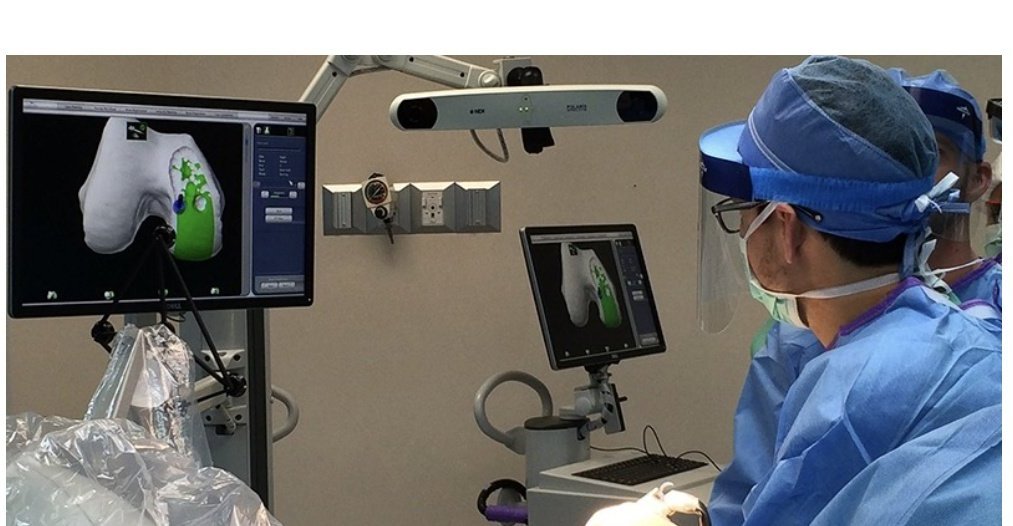
Robotic knee replacement procedure is a technology-assisted surgical method used to replace damaged knee joints with high precision and improved alignment. In Kerala, this advanced approach is increasingly preferred by patients seeking accurate implant placement, better joint balance, and long-term functional improvement. Unlike conventional techniques, robotic assistance allows surgeons to plan and execute each step of the surgery based on the patient’s unique knee anatomy.
The step-by-step robotic knee replacement procedure combines detailed preoperative planning, computer-guided accuracy, and controlled execution to reduce surgical variability and improve overall outcomes. Below is a complete explanation of how the procedure is performed from preparation to completion.
Preoperative Planning Using Advanced Imaging
The robotic knee replacement procedure begins well before the actual surgery. Detailed imaging studies such as CT scans or specialized X-ray mapping are performed to capture the exact structure of the patient’s knee joint. These images help create a three-dimensional digital model of the knee.
This model allows the surgical team to:
Analyze bone structure and joint deformity
Measure cartilage loss and alignment issues
Plan implant size, position, and orientation
Predict ligament balance throughout knee movement
This personalized planning ensures that the robotic knee replacement procedure is tailored specifically to the patient rather than using a standard surgical approach.
Surgical Room Setup and Robotic System Calibration
On the day of surgery, the robotic knee replacement system is prepared and calibrated in the operating room. The robotic platform is not autonomous; it functions as a precision-guided assistant controlled entirely by the surgeon.
The system is synchronized with the patient’s preoperative knee model. This calibration ensures that the robotic guidance corresponds exactly to the patient’s real-time knee anatomy during surgery.
Key goals at this stage include:
Accurate alignment between digital plan and physical knee
Verification of surgical boundaries
Ensuring smooth coordination between surgeon and robotic system
Administration of Anesthesia and Patient Positioning
Before the robotic knee replacement procedure begins, anesthesia is administered to ensure patient comfort. Depending on medical evaluation, spinal or general anesthesia may be used.
The patient is then positioned carefully to allow full access to the knee joint. Proper positioning is crucial for:
Maintaining surgical accuracy
Allowing free movement of the knee during assessment
Ensuring precise robotic guidance throughout the procedure
Minimal Surgical Incision and Joint Exposure
A controlled incision is made over the knee to expose the damaged joint. Robotic knee replacement procedures often allow for more conservative soft tissue handling compared to traditional methods.
The surgeon carefully accesses the knee joint while preserving surrounding muscles and ligaments as much as possible. This approach supports:
Reduced soft tissue trauma
Improved joint stability
Better postoperative mobility
Real-Time Knee Mapping and Ligament Assessment
Once the joint is exposed, the robotic system performs real-time mapping of the knee. Sensors and tracking devices capture live data about joint movement, ligament tension, and alignment during flexion and extension.
This step is critical in the robotic knee replacement procedure because it allows the surgeon to:
Assess how the knee behaves dynamically
Identify imbalances that may not appear on imaging alone
Adjust the surgical plan if required
These real-time insights help achieve a well-balanced knee joint after implant placement.
Precision Bone Preparation Using Robotic Guidance
Bone preparation is one of the most important steps in the robotic knee replacement procedure. Using robotic guidance, the surgeon reshapes the damaged bone surfaces with exceptional accuracy.
The robotic system:
Restricts cutting to pre-planned boundaries
Prevents over- or under-resection of bone
Maintains precise angles and alignment
This level of control helps ensure that the implant fits exactly as planned, which plays a major role in long-term implant stability and joint function.
Trial Implant Placement and Balance Verification
After bone preparation, trial implants are placed temporarily. These allow the surgeon to test knee movement, alignment, and ligament balance before final implantation.
During this step, the robotic knee replacement procedure enables:
Fine-tuning of implant position
Assessment of joint stability throughout motion
Confirmation of equal load distribution
If needed, minor adjustments can be made to optimize comfort and function before the final implants are secured.
Final Implant Placement with Robotic Accuracy
Once optimal alignment and balance are confirmed, the final knee implants are placed. The robotic system assists the surgeon in positioning the components exactly as planned.
The final implant placement focuses on:
Restoring natural knee alignment
Ensuring smooth joint movement
Achieving long-lasting stability
This precision reduces the risk of implant loosening and uneven wear over time.
Final Joint Assessment and Wound Closure
After implant placement, the knee is taken through a full range of motion to verify smooth movement and stability. The surgeon ensures that:
The joint moves naturally
Ligaments are balanced
No mechanical issues remain
Once confirmed, the surgical site is closed carefully. Attention is given to minimizing tissue trauma, which supports better healing and recovery.
Immediate Post-Procedure Monitoring
Following the robotic knee replacement procedure, the patient is moved to recovery for monitoring. Vital signs, pain levels, and joint function are observed closely.
Early postoperative goals include:
Pain control
Prevention of complications
Initiation of gentle movement
Most patients are encouraged to begin mobilization soon after surgery under professional guidance.
Importance of Accuracy in Robotic Knee Replacement Procedure
The structured, step-by-step robotic knee replacement procedure is designed to enhance surgical consistency and precision. By combining advanced planning, real-time feedback, and controlled execution, this approach aims to improve patient satisfaction and long-term joint performance.
Patients undergoing robotic knee replacement often benefit from:
More accurate implant positioning
Improved knee alignment
Better joint balance
Potentially faster functional recovery
Final Thoughts on the Step-by-Step Robotic Knee Replacement Procedure
The step-by-step robotic knee replacement procedure represents a significant advancement in knee joint surgery. Each phase, from digital planning to final implant placement, is carefully structured to deliver predictable and reliable outcomes. In Kerala, this precision-driven surgical approach continues to gain trust among patients looking for advanced solutions to severe knee joint damage.
Table of Contents
Introduction:
Robotic knee replacement surgery is an advanced joint replacement procedure that uses robotic assistance to improve precision in implant placement and alignment. Learn more
Consultation:
A consultation involves clinical evaluation, imaging review, assessment of joint damage, and discussion of suitability for robotic-assisted surgery. Learn more
Cost:
The cost varies based on implant type, robotic technology use, hospital facilities, and postoperative care requirements. Learn more
Risks:
Risks may include infection, blood clots, implant-related issues, stiffness, or delayed recovery. Learn more
Before-and-after:
Before-and-after results commonly show reduced pain, improved joint alignment, enhanced mobility, and better functional outcomes. Learn more
Frequently Asked Questions.
Robotic knee replacement surgery is an advanced procedure that uses computer-assisted robotic technology to help surgeons plan and perform knee replacement with high precision.
The robotic procedure uses digital planning and real-time guidance to improve implant positioning and alignment compared to conventional manual techniques.
Before surgery, detailed imaging and digital planning are done to map the knee structure and customize the surgical approach.
The robotic system guides bone preparation and implant placement based on the pre-planned surgical map, helping maintain accuracy throughout the procedure.
No, the surgeon performs the surgery while the robotic system assists by providing guidance and precision control.
The procedure duration varies depending on knee condition and complexity but typically takes a few hours from preparation to completion.
After surgery, patients are moved to recovery where pain management, monitoring, and early movement begin.
Many patients experience improved movement, better alignment, and smoother recovery due to the precision of the robotic procedure.
As with any surgery, there are risks, but robotic assistance helps reduce errors related to alignment and implant positioning.
Recovery timelines vary, but most patients gradually resume daily activities with guided rehabilitation and physiotherapy.

Dr. Muhammed Thameem Puthukkattu is Kerala’s foremost authority in knee replacement surgery, specializing in advanced non-robotic,hip and robotic-assisted techniques that ensure precision and optimal outcomes.