
Robotic Knee Replacement Surgery
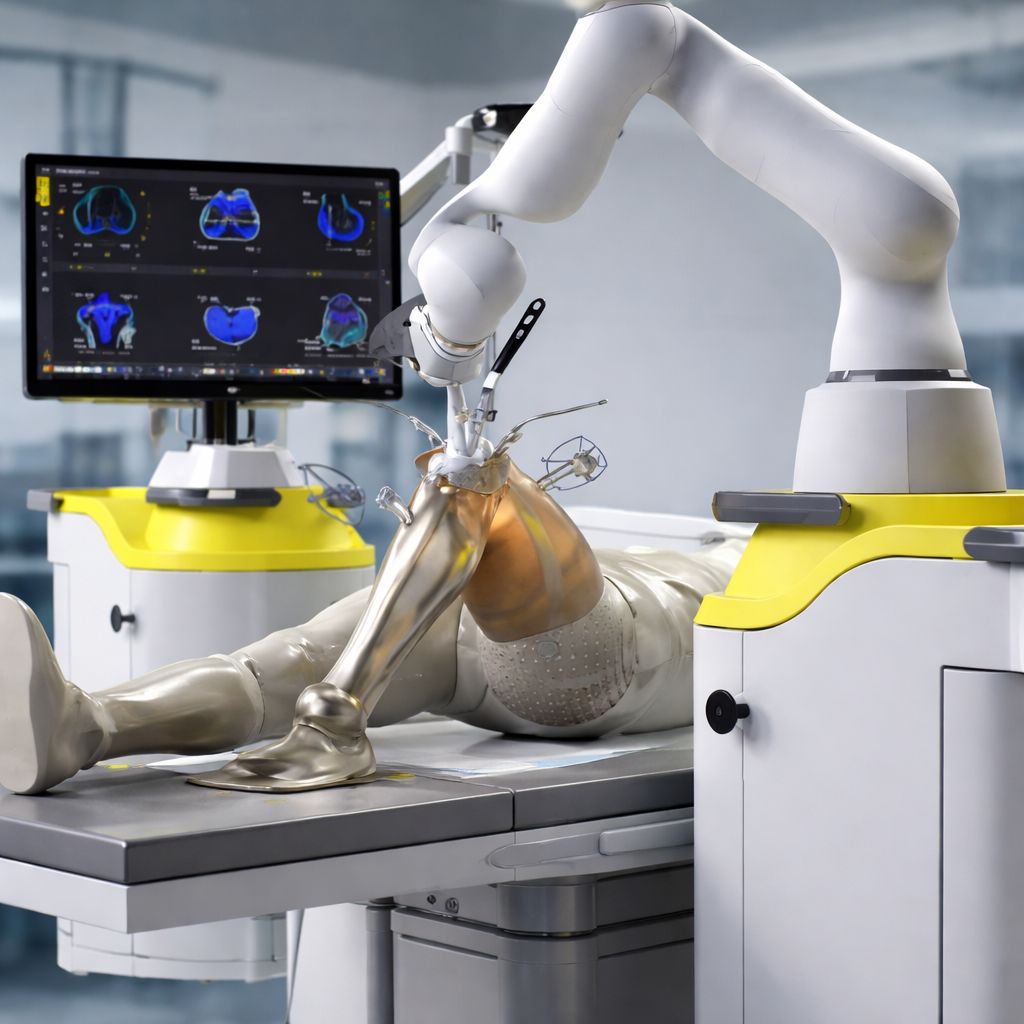
Robotic Knee Replacement Surgery is an advanced orthopedic procedure designed to improve precision, alignment, and long-term outcomes for individuals suffering from severe knee joint damage. In Kerala, this technology-driven approach is increasingly preferred by patients who are looking for greater surgical accuracy, improved joint balance, and a more predictable recovery when compared to conventional knee replacement techniques.
This modern procedure combines the skill and clinical judgment of an experienced orthopedic surgical team with sophisticated computer-assisted robotic technology. Before the surgery begins, detailed imaging and digital planning are used to create a personalized surgical plan based on the patient’s unique knee anatomy. This allows the surgeon to map out exact bone cuts, implant positioning, and alignment in advance, reducing guesswork and enhancing consistency during the operation.
The primary goal of Robotic Knee Replacement Surgery is to relieve chronic knee pain, restore natural joint function, and improve overall quality of life. Better alignment and implant positioning can contribute to improved stability, more natural knee motion, and reduced stress on surrounding tissues.
Understanding Robotic Knee Replacement Surgery
Robotic Knee Replacement Surgery uses a robotic-assisted system to help surgeons perform knee joint replacement with greater accuracy. Before the procedure, detailed imaging of the knee is used to create a customized surgical plan based on the patient’s unique anatomy. This personalized planning allows the procedure to be tailored specifically to the condition of the knee joint.
During surgery, the robotic system provides real-time feedback and guidance, helping the surgeon place the implant with optimal alignment and balance. The robot does not perform the surgery on its own; instead, it enhances the surgeon’s control and precision throughout the procedure.
Who May Need Robotic Knee Replacement Surgery
Robotic Knee Replacement Surgery is typically recommended for individuals with advanced knee joint damage that has not responded to conservative treatments. This may include people experiencing:
Persistent knee pain affecting daily activities
Severe stiffness or limited knee movement
Advanced joint wear due to arthritis
Knee deformities such as bowing or knock-knees
Reduced quality of life due to chronic knee discomfort
When non-surgical options no longer provide relief, this procedure may be considered to restore joint function and reduce pain.
How Robotic Technology Enhances Knee Replacement
The key difference between traditional and robotic-assisted knee replacement lies in precision and personalization. Robotic Knee Replacement Surgery allows the surgical team to map the knee joint in detail, helping ensure accurate implant positioning.
This technology assists in maintaining proper ligament balance, which is essential for natural knee movement after surgery. By minimizing deviations during bone preparation and implant placement, robotic assistance aims to improve joint stability and overall satisfaction after surgery.
Steps Involved in Robotic Knee Replacement Surgery
Preoperative Planning
Before surgery, advanced imaging is used to create a 3D model of the knee. This helps in planning the size, position, and alignment of the implant before entering the operating room.
Intraoperative Guidance
During the procedure, the robotic system provides continuous feedback. The surgeon uses this information to make precise adjustments while preserving healthy bone and soft tissue.
Implant Placement
The knee implant is positioned according to the pre-planned measurements, aiming for optimal alignment and joint balance. Accuracy at this stage plays a key role in long-term outcomes.
Benefits of Robotic Knee Replacement Surgery
Robotic Knee Replacement Surgery offers several potential advantages when compared to conventional approaches:
Enhanced accuracy in implant placement
Better alignment of the knee joint
Preservation of healthy bone and tissue
Improved joint balance and movement
Reduced risk of implant-related complications
More predictable surgical outcomes
These benefits contribute to improved knee function and patient confidence after surgery.
Recovery After Robotic Knee Replacement Surgery
Recovery after Robotic Knee Replacement Surgery varies depending on individual health, activity level, and adherence to rehabilitation protocols. Many patients experience early improvement in mobility due to precise implant placement and minimal disruption to surrounding tissues.
Physical therapy plays a crucial role in strengthening muscles, improving flexibility, and restoring normal walking patterns. Most patients gradually return to daily activities over the following weeks under guided rehabilitation.
Pain Management and Rehabilitation
Postoperative pain is managed using a combination of medications, physiotherapy, and guided exercises. Robotic Knee Replacement Surgery may allow for better pain control due to accurate surgical execution and reduced tissue trauma.
Rehabilitation focuses on restoring strength, balance, and knee flexibility. Consistent participation in physiotherapy is essential for achieving the best long-term results.
Long-Term Outcomes and Durability
One of the major goals of Robotic Knee Replacement Surgery is to improve the longevity of the knee implant. Proper alignment and balanced joint mechanics reduce uneven wear, which may help extend the lifespan of the implant.
Patients often report improved knee stability, smoother movement, and increased confidence in performing daily activities after full recovery.
Safety and Reliability of Robotic Knee Replacement Surgery
Robotic Knee Replacement Surgery is considered safe when performed by trained surgical teams using established protocols. The robotic system acts as an assistive tool, enhancing surgical precision while maintaining full control with the surgeon.
Strict safety checks and real-time monitoring help ensure that each step of the procedure follows the planned approach, reducing the likelihood of errors.
Preparing for Robotic Knee Replacement Surgery
Preparation involves medical evaluation, imaging studies, and discussions about expectations and recovery. Patients are often advised to strengthen surrounding muscles and optimize overall health before surgery.
Understanding the procedure and postoperative rehabilitation helps patients approach surgery with confidence and realistic expectations.
Life After Robotic Knee Replacement Surgery
After recovery, many patients experience significant improvement in mobility and pain relief. Activities such as walking, climbing stairs, and routine daily tasks often become more comfortable.
Maintaining a healthy lifestyle, following rehabilitation guidance, and attending follow-up assessments contribute to sustained knee function and overall satisfaction.
Why Precision Matters in Knee Replacement
The success of knee replacement depends heavily on accurate alignment and balanced movement. Robotic Knee Replacement Surgery focuses on these aspects by integrating advanced planning and real-time surgical guidance.
Precision not only affects comfort but also plays a role in long-term joint performance and implant durability.
Final Thoughts on Robotic Knee Replacement Surgery
Robotic Knee Replacement Surgery represents a significant advancement in orthopedic care, offering enhanced accuracy, personalized planning, and improved functional outcomes. For patients in Kerala seeking a modern approach to knee joint restoration, this procedure provides a reliable option aimed at long-term comfort, stability, and improved quality of life.
Table of Contents
Consultation:
A consultation involves clinical evaluation, imaging review, assessment of joint damage, and discussion of suitability for robotic-assisted surgery. Learn more
Cost:
The cost varies based on implant type, robotic technology use, hospital facilities, and postoperative care requirements. Learn more
Steps:
The procedure includes preoperative planning, anesthesia, robotic-guided bone preparation, implant placement, and surgical closure. Learn more
Risks:
Risks may include infection, blood clots, implant-related issues, stiffness, or delayed recovery. Learn more
Before-and-after:
Before-and-after results commonly show reduced pain, improved joint alignment, enhanced mobility, and better functional outcomes. Learn more
Frequently Asked Questions.
It is an advanced knee replacement procedure that uses robotic technology to assist surgeons in achieving precise implant placement and alignment.
Robotic surgery uses computer-assisted planning and real-time guidance, offering higher accuracy than conventional manual techniques.
No. The surgeon performs the surgery, while the robotic system assists with precision and guidance.
Patients with severe knee arthritis or joint damage who do not get relief from non-surgical treatments may benefit.
Yes, it is a safe and well-established procedure when performed by a trained orthopedic team.
Better alignment and joint balance may lead to improved knee function and long-term results.
Many patients experience smoother recovery, though healing time varies by individual.
The main goal is long-term pain relief and improved mobility after recovery.
Modern knee implants are designed to last many years, especially with accurate placement.
No. Overall health and fitness are more important than age alone.

Dr. Muhammed Thameem Puthukkattu is Kerala’s foremost authority in knee replacement surgery, specializing in advanced non-robotic,hip and robotic-assisted techniques that ensure precision and optimal outcomes.