
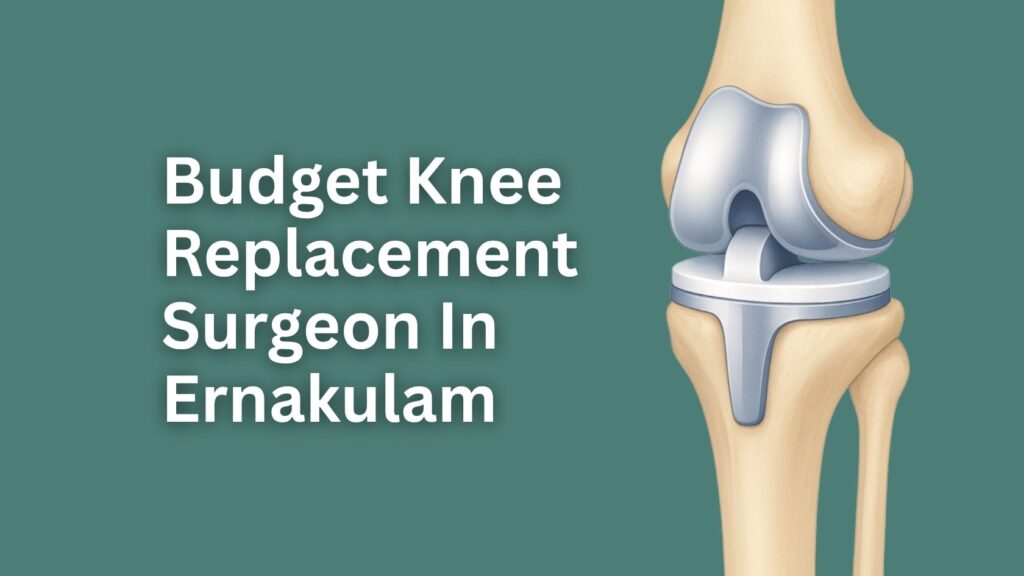
Budget Knee Replacement Surgeon In Ernakulam
Finding a budget knee replacement surgeon in Ernakulam can make a life-changing difference for individuals suffering from chronic knee pain, stiffness, and mobility issues. In a rapidly growing healthcare hub like Ernakulam, patients now have access to advanced orthopedic procedures at costs that are significantly more affordable compared to many metropolitan cities, without compromising on quality or safety. For those struggling with daily activities such as walking, climbing stairs, or even standing for long periods, knee replacement surgery offers renewed independence and long-term relief.
Knee problems are extremely common, especially among older adults, people with arthritis, previous injuries, obesity, or physically demanding lifestyles. When medications, physiotherapy, injections, and lifestyle changes no longer provide relief, doctors may recommend knee replacement surgery as a permanent solution. Choosing a budget knee replacement surgeon does not mean settling for lower standards — it means finding an experienced specialist who offers cost-effective treatment plans, transparent pricing, and high success rates.
Understanding Knee Replacement Surgery
Knee replacement surgery, also known as knee arthroplasty, is a procedure in which damaged portions of the knee joint are removed and replaced with artificial implants made of metal, ceramic, or high-grade plastic. The goal is to restore smooth joint movement, eliminate pain, and improve quality of life.
There are several types of knee replacement procedures:
Total Knee Replacement (TKR)
This is the most common procedure, where both sides of the knee joint are replaced. It is recommended for severe arthritis or extensive joint damage.
Partial Knee Replacement (PKR)
Only the damaged portion of the knee is replaced. This option is suitable when arthritis affects only one compartment of the knee.
Bilateral Knee Replacement
Both knees are replaced either simultaneously or in stages. This is ideal for patients with severe pain in both joints.
Revision Knee Replacement
Performed when a previous knee replacement fails due to wear, infection, or loosening of the implant.
Who Needs Knee Replacement Surgery?
A budget knee replacement surgeon typically evaluates patients carefully before recommending surgery. You may be a candidate if you experience:
- Persistent knee pain even at rest
- Severe stiffness limiting movement
- Difficulty walking, sitting, or climbing stairs
- Swelling that does not improve with treatment
- Bowing or deformity of the knee
- Failure of medications and physiotherapy
- Reduced quality of life
Age alone is not a deciding factor. Many patients in their 50s, 60s, and even younger individuals undergo successful knee replacement when symptoms become disabling.
Causes of Severe Knee Damage
Understanding the underlying cause helps determine the most suitable surgical approach.
Osteoarthritis
The most common reason for knee replacement. Cartilage gradually wears away, causing bone-on-bone friction.
Rheumatoid Arthritis
An autoimmune condition that inflames and damages joint tissues.
Post-Traumatic Arthritis
Develops after fractures, ligament injuries, or meniscus tears.
Avascular Necrosis
Loss of blood supply to the bone leading to joint collapse.
Congenital or Structural Abnormalities
Misalignment or deformities that worsen over time.
Benefits of Choosing a Budget Knee Replacement Surgeon
Affordable treatment does not mean compromised care. A skilled budget surgeon focuses on delivering excellent outcomes while reducing unnecessary expenses.
Cost-Effective Treatment Plans
Transparent pricing, package options, and guidance on insurance coverage help patients plan financially.
Advanced Surgical Techniques
Modern minimally invasive methods reduce tissue damage, blood loss, and recovery time.
Shorter Hospital Stay
Efficient care protocols allow patients to return home sooner, lowering overall costs.
Personalized Care
Tailored treatment plans based on age, activity level, and medical history.
High Success Rates
Knee replacement is one of the most successful orthopedic surgeries worldwide.
Pre-Surgery Evaluation
Before surgery, the patient undergoes a comprehensive assessment to ensure safety and optimal outcomes.
Typical pre-operative tests include:
- X-rays or MRI scans
- Blood tests
- Heart and lung evaluation
- Physical examination
- Review of medications
- Assessment of other health conditions
The surgeon also explains the procedure, risks, expected results, and recovery timeline.
The Knee Replacement Procedure
On the day of surgery, the patient is given anesthesia (spinal or general). The procedure usually takes 1–2 hours.
Key Surgical Steps:
- Removal of damaged cartilage and bone
- Reshaping of the joint surfaces
- Placement of artificial components
- Alignment and stability testing
- Closure of the incision
Modern implants are designed to mimic natural knee movement and can last 15–25 years or more with proper care.
Recovery After Knee Replacement
Recovery is a gradual process but begins immediately after surgery.
First Few Days
- Pain management with medications
- Assisted standing and walking within 24 hours
- Physiotherapy initiation
- Monitoring for complications
First Few Weeks
- Increased mobility with walker or cane
- Strengthening exercises
- Wound care
- Gradual return to daily activities
Long-Term Recovery
Most patients resume normal routines within 6–12 weeks, while full recovery may take several months.
Physiotherapy: The Key to Success
Rehabilitation plays a crucial role in achieving the best outcome.
Exercises focus on:
- Improving range of motion
- Strengthening muscles
- Restoring balance
- Enhancing joint stability
- Preventing stiffness
Consistent physiotherapy significantly improves long-term function and implant longevity.
Risks and Complications
Although knee replacement is generally safe, all surgeries carry some risks.
Possible complications include:
- Infection
- Blood clots
- Implant loosening
- Nerve or blood vessel injury
- Persistent pain or stiffness
- Allergic reaction to materials
Choosing an experienced surgeon greatly reduces these risks.
How to Maintain Your New Knee
Proper care ensures long-lasting results.
Recommended Practices:
- Maintain a healthy weight
- Stay physically active with low-impact exercises
- Avoid high-impact sports
- Follow physiotherapy advice
- Attend regular check-ups
- Use supportive footwear
Activities like walking, swimming, and cycling are highly beneficial.
Signs You Should Consult a Surgeon Immediately
After surgery, seek medical attention if you notice:
- Fever or chills
- Increasing redness or swelling
- Severe pain not relieved by medication
- Sudden calf pain or swelling
- Difficulty moving the joint
- Fluid discharge from the wound
Early intervention prevents serious complications.
Emotional and Lifestyle Benefits
Knee replacement is not just about pain relief — it transforms lives.
Patients often experience:
- Improved independence
- Better sleep quality
- Increased confidence
- Ability to travel and socialize
- Return to hobbies and daily activities
- Reduced dependence on painkillers
Many people describe the surgery as “getting their life back.”
Why Timely Surgery Matters
Delaying surgery when symptoms are severe can lead to:
- Muscle wasting
- Joint deformity
- Reduced mobility
- Increased pain
- Lower surgical outcomes
Consulting a budget knee replacement surgeon early helps plan the right time for intervention.
Choosing the Right Budget Surgeon
When selecting a surgeon, consider:
- Experience and specialization in knee replacement
- Hospital facilities and infection control standards
- Success rates and patient outcomes
- Availability of rehabilitation support
- Clear communication and transparency
- Affordable package options
A trustworthy surgeon prioritizes patient safety, comfort, and long-term success.
Conclusion
Living with chronic knee pain can be exhausting, limiting, and emotionally draining. Fortunately, a budget knee replacement surgeon in Ernakulam can provide advanced surgical care that restores mobility, relieves pain, and improves overall quality of life without creating overwhelming financial strain. With modern techniques, durable implants, and structured rehabilitation, knee replacement surgery has become a safe and highly effective solution for severe joint damage. For individuals who have tried all conservative treatments without success, this procedure offers a new beginning — one filled with movement, independence, and freedom from constant discomfort. Taking the step toward consultation today could mean walking confidently again tomorrow.
Frequently Asked Questions
If you experience severe knee pain, stiffness, swelling, and difficulty performing daily activities despite medications, physiotherapy, or injections, knee replacement surgery may be recommended.
Yes. Affordable surgery provided by an experienced surgeon using standard implants and proper hospital facilities is safe and highly successful.
The cost varies depending on the type of implant, hospital stay, and medical condition, but budget packages make the procedure accessible to more patients.
Most knee replacement surgeries take about 1–2 hours, though preparation and recovery time in the hospital will be longer.
Patients usually begin standing and walking with support within 24 hours after surgery, depending on their condition.
Typically 3–5 days, though this may vary based on recovery speed and overall health.
Yes. Physiotherapy is essential to restore movement, strength, and function of the knee joint.
Most modern knee implants last 15–25 years or more with proper care and activity modifications.
Like any surgery, there are risks such as infection, blood clots, or stiffness, but these are uncommon when performed by an experienced surgeon.
Most patients resume routine activities within 6–12 weeks, while full recovery may take a few months.

Dr. Muhammed Thameem Puthukkattu
Dr. Muhammed Thameem Puthukkattu is a joint replacement specialist known for expertise in robotic and minimally invasive knee replacement procedures. His clinical focus includes primary, complex, and revision knee and hip surgeries designed to restore mobility and reduce long-term joint pain.
MCS Hospital, Muvattupuzha, Kerala