
Robotic Knee Replacement Before and After Results: Functional Improvement, Mobility Changes, and Recovery Progress
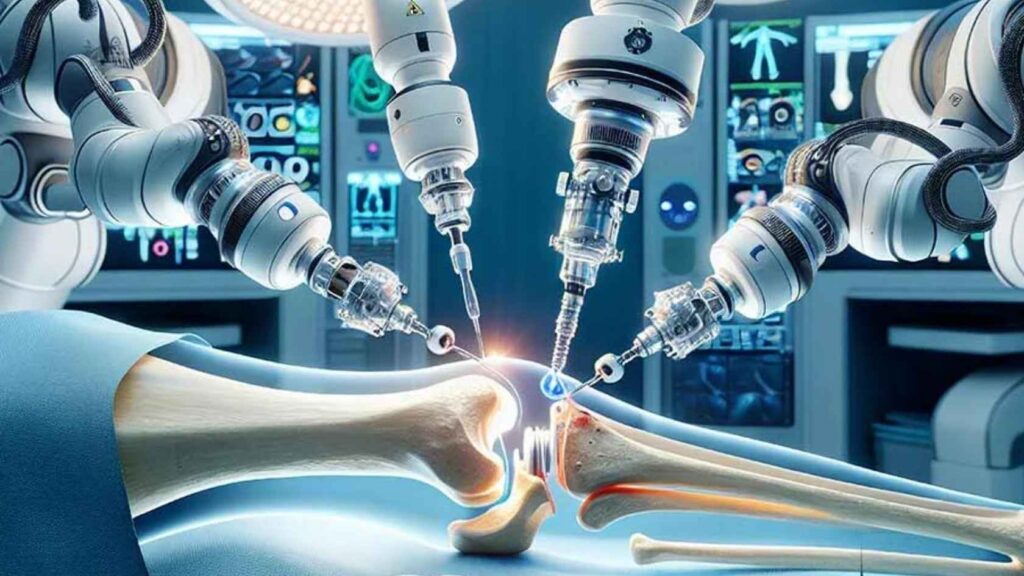
For individuals in Ernakulam exploring advanced treatment options for severe knee problems, understanding robotic knee replacement before and after results helps set realistic expectations. This procedure is designed to improve joint function, reduce chronic pain, and support better mobility when conservative treatments are no longer effective. The outcomes depend on multiple factors including joint condition, overall health, and commitment to rehabilitation.
Robotic knee replacement uses computer-assisted precision to plan and perform surgery. The goal is to achieve accurate alignment, better implant positioning, and improved joint mechanics. Understanding what changes occur before and after surgery helps patients prepare physically and mentally for the treatment journey.
1. Understanding Knee Problems Before Surgery
Before robotic knee replacement, most individuals experience persistent knee pain, stiffness, and limited movement. These symptoms often result from advanced arthritis, cartilage damage, joint deformity, or previous injuries.
Daily activities such as walking, climbing stairs, standing for long periods, or sitting cross-legged may become difficult. Pain may worsen with activity and sometimes persist even at rest or during sleep.
Reduced joint flexibility and swelling may further limit mobility. Over time, these issues can affect independence and overall quality of life.
2. Goals of Robotic Knee Replacement
The primary objective of robotic knee replacement is to restore joint function and reduce pain. The procedure aims to:
Improve alignment of the knee joint
Restore smoother movement
Reduce inflammation and discomfort
Support improved walking and mobility
Enhance overall joint stability
The robotic system assists in planning and executing precise bone preparation and implant placement. This helps improve accuracy compared to conventional approaches.
3. Condition of the Knee Before Surgery
Before surgery, imaging studies often show joint space narrowing, cartilage loss, bone spurs, and structural changes. Patients may experience:
Difficulty bending or straightening the knee
Reduced walking distance
Instability or imbalance
Chronic pain affecting sleep and activity
These issues often progress gradually, making surgical intervention necessary when conservative treatments are no longer effective.
4. Immediate Changes After Surgery
Immediately after robotic knee replacement, the knee is supported with dressings and mobility aids. Pain management, swelling control, and early movement are key priorities.
Patients are encouraged to start gentle movements and physiotherapy early. These steps help prevent stiffness and support circulation. Mobility support devices such as walkers may be used initially.
Early improvement may include reduced mechanical pain and better joint alignment, though full recovery takes time.
5. Pain Relief Before and After Surgery
Before robotic knee replacement, pain may be constant and interfere with daily life. After surgery, surgical discomfort is expected initially, but this gradually reduces with healing and rehabilitation.
Over time, many individuals experience significant relief from the chronic arthritic pain that existed before surgery. Pain becomes more manageable and movement improves.
Pain outcomes depend on healing progress, physiotherapy participation, and overall health.
6. Mobility Improvements After Surgery
Mobility is one of the most noticeable changes after robotic knee replacement. Before surgery, walking distance may be limited and daily activities may require assistance.
After recovery, individuals often experience:
Improved walking ability
Better joint movement
Increased confidence in mobility
Reduced dependence on support
Progress occurs gradually, and consistent rehabilitation plays a major role in mobility improvement.
7. Alignment and Joint Stability
Robotic technology helps improve knee alignment by guiding precise implant placement. Before surgery, deformities such as bowing or joint imbalance may be present.
After surgery, improved alignment can support:
Better weight distribution
Reduced strain on surrounding structures
Enhanced joint stability
Improved functional movement
These changes contribute to long-term joint performance.
8. Physical Function Before and After
Before robotic knee replacement, everyday tasks may feel difficult. Activities like standing, walking, sitting, or climbing stairs may be painful.
After recovery, many individuals regain the ability to perform daily activities with less discomfort. Functional improvements may include:
Easier movement
Better balance
Greater independence
Increased activity participation
Results vary based on individual recovery and rehabilitation efforts.
9. Role of Rehabilitation in Post-Surgery Results
Physiotherapy is essential in achieving positive results after robotic knee replacement. Rehabilitation helps restore strength, flexibility, and joint function.
Exercises focus on:
Improving knee bending and straightening
Strengthening surrounding muscles
Enhancing walking ability
Preventing stiffness
Consistent participation in rehabilitation supports better long-term outcomes.
10. Healing Timeline and Gradual Improvements
Recovery after robotic knee replacement occurs in phases. Early weeks focus on healing and basic movement. Later stages involve strengthening and functional recovery.
Improvements are gradual, and patience is important. Over time, patients often notice better comfort, increased movement, and improved confidence in daily activities.
11. Emotional and Psychological Changes
Before surgery, chronic pain and mobility limitations may affect emotional well-being. Anxiety, frustration, or reduced confidence may be common.
After recovery, improved movement and independence can positively influence mental health. Many individuals feel more confident and motivated to resume normal activities.
Emotional readiness and support play an important role in recovery.
12. Lifestyle Changes After Robotic Knee Replacement
After surgery, certain lifestyle adjustments help protect the joint and maintain results. Patients may be advised to:
Maintain a healthy body weight
Follow exercise routines
Avoid high-impact activities
Practice safe movement habits
These changes support implant longevity and overall joint health.
13. Long-Term Functional Results
Long-term outcomes often include sustained pain relief, improved joint function, and enhanced quality of life. Many individuals are able to return to daily activities with greater ease.
The durability of results depends on implant care, physical health, and lifestyle habits. Regular follow-up and continued exercise help maintain joint performance.
14. Differences Compared to Conventional Knee Replacement
Robotic knee replacement offers enhanced precision in planning and execution. This may contribute to improved alignment and implant positioning.
Potential before-and-after differences may include:
More accurate joint restoration
Better balance and movement
Improved functional outcomes
However, results still depend on individual health and rehabilitation commitment.
15. Factors Influencing Before and After Results
Several factors affect surgical outcomes, including:
Severity of joint damage
Age and overall health
Body weight
Bone quality
Rehabilitation participation
Understanding these factors helps patients set realistic expectations.
16. Expectations for Daily Activities
After recovery, many individuals can return to daily activities such as walking, household tasks, and light exercise. Activity tolerance improves over time.
High-impact activities may be limited to protect the joint. Guidance from healthcare professionals supports safe activity progression.
17. Importance of Follow-Up Care
Regular follow-up visits help monitor joint function and implant performance. Early detection of any issues supports timely management.
Follow-up care ensures that recovery continues smoothly and long-term results remain stable.
18. Realistic Outcome Expectations
While robotic knee replacement provides significant improvements, outcomes vary between individuals. Not every patient experiences identical results.
Realistic expectations include gradual improvement, ongoing rehabilitation, and lifestyle adjustments. Understanding this helps prevent disappointment and supports positive recovery.
19. Overall Quality of Life Changes
Before surgery, chronic knee pain may limit independence and activity levels. After recovery, improved movement and reduced discomfort often lead to enhanced daily functioning.
Individuals may experience:
Better mobility
Improved comfort
Increased confidence
Greater participation in daily life
These changes contribute to overall well-being.
20. Final Overview of Before and After Results
Robotic knee replacement can lead to meaningful improvements in joint function, comfort, and mobility. The transformation from limited movement and persistent pain to improved independence and activity is a major benefit of the procedure.
For individuals in Ernakulam considering robotic knee replacement, understanding before and after results helps prepare for the journey ahead. With proper evaluation, surgical planning, and consistent rehabilitation, many individuals experience improved quality of life and better long-term joint function.
Table Of Contents
Introduction:
Robotic knee replacement surgery is an advanced joint replacement procedure that uses robotic assistance to improve precision in implant placement and alignment. Learn more
Consultation:
A consultation involves clinical evaluation, imaging review, assessment of joint damage, and discussion of suitability for robotic-assisted surgery. Learn more
Cost:
The cost varies based on implant type, robotic technology use, hospital facilities, and postoperative care requirements. Learn more
Steps:
The procedure includes preoperative planning, anesthesia, robotic-guided bone preparation, implant placement, and surgical closure. Learn more
Risks:
Risks may include infection, blood clots, implant-related issues, stiffness, or delayed recovery. Learn more
Frequently Asked Questions
1. What are the main differences before and after robotic knee replacement?
Before surgery, patients often experience pain, stiffness, and limited mobility, while after recovery many notice improved movement, reduced discomfort, and better joint function.
2. How long does it take to see results after robotic knee replacement?
Initial improvements may be noticed within weeks, but full functional recovery usually develops gradually over several months.
3. Will pain completely disappear after robotic knee replacement?
Most individuals experience significant pain relief, though mild discomfort may occur during the healing and rehabilitation phase.
4. Does robotic knee replacement improve walking ability?
Yes, many patients experience improved walking capacity and reduced dependence on support after recovery.
5. Can I return to daily activities after robotic knee replacement?
Most individuals are able to resume routine activities gradually with guidance from rehabilitation professionals.
6. Is joint movement better after robotic knee replacement?
Yes, improved alignment and rehabilitation often help restore smoother and more comfortable joint movement.
7. What role does physiotherapy play in after-results?
Physiotherapy is essential for strengthening muscles, restoring mobility, and achieving the best functional outcomes.
8. Are results permanent after robotic knee replacement?
Results are long-lasting, but maintaining a healthy lifestyle and following medical advice supports long-term joint performance.
9. Do all patients experience the same before-and-after results?
No, outcomes vary depending on joint condition, overall health, and participation in rehabilitation.
10. Can robotic knee replacement improve overall quality of life?
Yes, many individuals experience better mobility, reduced pain, and improved confidence in daily activities after recovery.

Dr. Muhammed Thameem Puthukkattu is Kerala’s foremost authority in knee replacement surgery, specializing in advanced non-robotic,hip and robotic-assisted techniques that ensure precision and optimal outcomes.