
Common Robotic Knee Replacement Risks and Complications
Common Robotic Knee Replacement Risks and Complications are important to understand before choosing this advanced orthopedic procedure. Robotic knee replacement uses computer-guided technology to improve surgical precision, joint alignment, and implant positioning for people with severe knee joint damage. In Ernakulam, many individuals prefer this technique because of its accuracy and potential for better functional outcomes. However, like any major operation, it involves certain risks and possible complications. Being aware of these factors allows patients to make confident, well-informed decisions and prepare both physically and mentally for surgery and recovery.
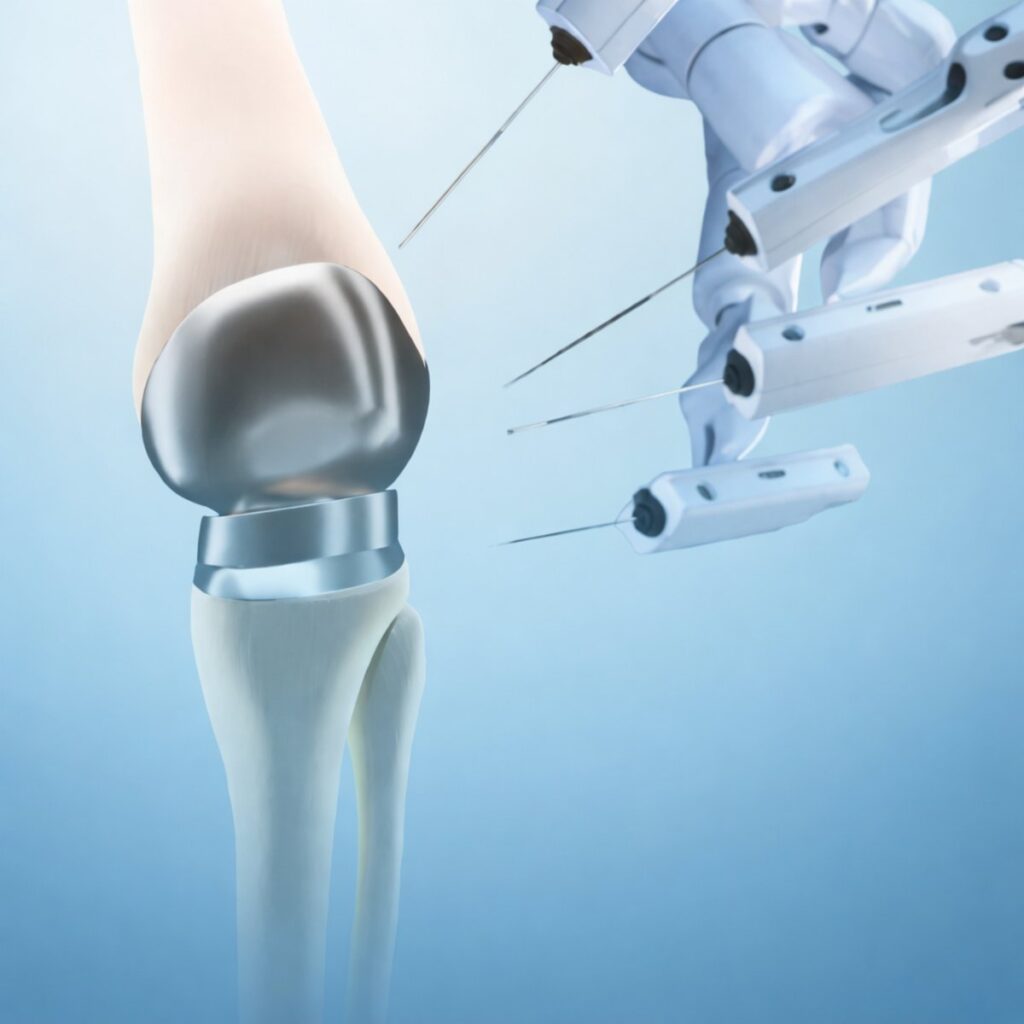
Robotic knee replacement is widely regarded as a safe and highly effective procedure with strong success rates. Most patients report noticeable pain relief, improved walking ability, and better overall joint function after recovery. Even so, understanding possible complications is essential for setting realistic expectations and recognizing early warning signs if they arise. Clear knowledge about potential risks encourages better preparation, careful follow-up, and active participation in rehabilitation, all of which contribute to smoother healing and long-term satisfaction with the surgical outcome.
Understanding Risk in Robotic Knee Replacement
Every surgical procedure carries some level of risk. Robotic assistance improves precision, but it does not completely eliminate complications. The robotic system supports the surgeon with planning and execution, yet the procedure still involves anesthesia, bone preparation, implant placement, and healing.
Risk levels vary depending on:
Age
Overall health condition
Bone quality
Weight
Diabetes or blood pressure control
Previous knee surgeries
Smoking history
Activity level
Careful pre-surgical evaluation helps reduce complications significantly.
Infection
What Is It?
Infection can occur around the surgical wound or deep inside the replaced joint. Although rare, it is one of the most serious complications.
How Common Is It?
Infection rates are low, generally less than 1–2% in most advanced centers.
Why It Happens
Bacterial contamination during or after surgery
Poor wound care
Uncontrolled diabetes
Weak immunity
Symptoms
Persistent redness
Swelling
Fever
Pus discharge
Increasing pain
Prevention
Strict sterile operating conditions
Preventive antibiotics
Proper wound care
Good blood sugar control
Early detection and treatment prevent further complications.
Blood Clots (Deep Vein Thrombosis)
After surgery, reduced mobility may slow blood circulation, increasing the risk of blood clot formation in the legs.
Symptoms
Calf swelling
Leg pain
Warmth in the lower leg
Redness
If a clot travels to the lungs, it becomes a serious condition called pulmonary embolism.
Prevention
Blood-thinning medications
Early walking
Leg exercises
Compression stockings
Adequate hydration
Robotic knee replacement often encourages early mobility, which helps reduce this risk.
Implant Loosening or Wear
Robotic systems improve implant alignment, which may enhance long-term durability. However, implants can still wear out over many years.
Causes
High-impact activities
Excess body weight
Natural wear over time
Symptoms
Increasing pain after years
Instability
Reduced movement
Modern implants are designed to last 15–25 years or longer, depending on lifestyle and care.
Knee Stiffness
Some patients may experience stiffness after robotic knee replacement.
Reasons
Scar tissue formation
Delayed physiotherapy
Muscle weakness
Limited movement after surgery
Prevention
Early rehabilitation
Regular physiotherapy
Consistent exercise
Timely physical therapy is crucial to prevent long-term stiffness.
Persistent Pain
Most patients experience strong pain relief, but a small percentage may have lingering discomfort.
Possible Causes
Soft tissue irritation
Nerve sensitivity
Muscle weakness
Inflammation
Pain usually improves gradually with rehabilitation and proper follow-up care.
Nerve or Blood Vessel Injury
Robotic assistance enhances surgical accuracy, reducing the likelihood of accidental injury. However, rare cases of nerve or vessel irritation can occur.
Possible Effects
Temporary numbness
Tingling sensation
Mild weakness
Most cases improve over time without permanent damage.
Bone Fracture
During implant placement, there is a small risk of bone fracture, especially in patients with weak or brittle bones.
Risk Factors
Osteoporosis
Severe deformity
Previous surgery
Proper surgical planning minimizes this risk.
Implant Misalignment
One of the advantages of robotic surgery is improved alignment accuracy. However, technical errors can still occur in rare situations.
Accurate pre-operative planning and system calibration significantly reduce this complication.
Anesthesia-Related Risks
As with any major surgery, anesthesia carries potential risks.
Possible Issues
Nausea
Allergic reaction
Breathing problems
Heart complications
Pre-surgical medical evaluation helps ensure safe anesthesia management.
Swelling and Inflammation
Swelling is common after robotic knee replacement and usually resolves gradually.
Normal Swelling
Mild to moderate
Improves with elevation and exercises
Concerning Signs
Severe swelling
Increasing redness
Fever
Monitoring and following instructions help control post-surgical inflammation.
Delayed Wound Healing
Some patients may experience slow wound healing.
Risk Factors
Diabetes
Poor nutrition
Smoking
Obesity
Proper wound care and healthy habits support faster healing.
Scar Tissue Formation
Excess scar tissue may limit knee movement.
Prevention
Early movement
Consistent physiotherapy
Regular follow-up
Robotic accuracy may reduce tissue trauma, but rehabilitation remains essential.
Implant Allergy (Rare)
Very rarely, patients may react to implant materials.
Pre-surgical allergy history assessment reduces this risk.
Psychological Concerns
Some patients may experience anxiety or fear related to surgery.
Proper counseling and understanding the procedure can reduce emotional stress and improve recovery outcomes.
Factors That Reduce Risks in Robotic Knee Replacement
Robotic technology offers several safety advantages:
Accurate implant positioning
Balanced soft tissue alignment
Precise bone cutting
Reduced unnecessary bone removal
Improved joint stability
Additional safety measures include:
Detailed pre-surgical planning
Controlled operating environment
Advanced sterilization
Early mobilization
Structured rehabilitation
These combined factors make robotic knee replacement a reliable option.
When to Seek Medical Attention
After surgery, contact your healthcare provider if you notice:
High fever
Severe swelling
Chest pain
Difficulty breathing
Increasing redness around the wound
Sudden severe calf pain
Early action prevents serious complications.
Managing Risks Through Preparation
Patients can reduce complications by:
Controlling diabetes and blood pressure
Maintaining healthy weight
Avoiding smoking
Following physiotherapy schedule
Keeping wound clean and dry
Attending follow-up visits
Active participation improves safety and recovery.
Are Robotic Risks Lower Than Conventional Surgery?
Robotic knee replacement is designed to enhance surgical precision and alignment accuracy. While it may reduce certain technical risks such as implant misalignment, it still shares general surgical risks similar to conventional knee replacement.
The difference lies in improved planning and execution, which may contribute to better long-term outcomes.
Long-Term Outlook
Most patients recover well and experience significant improvement in pain and mobility. Complications are uncommon, especially when surgery is performed in advanced centers with proper evaluation and structured post-operative care.
Understanding risks does not mean expecting complications. It means being informed, prepared, and confident.
Final Thoughts
Common Robotic Knee Replacement Risks and Complications include infection, blood clots, stiffness, implant wear, anesthesia-related concerns, and rare technical issues. Although these risks exist, they are generally uncommon and manageable with proper preparation, modern technology, and careful post-operative care. When performed in well-equipped facilities and followed by structured rehabilitation, robotic knee replacement offers a safe and effective solution for severe knee joint damage in Ernakulam.
Table of Contents
Introduction:
Robotic knee replacement surgery is an advanced joint replacement procedure that uses robotic assistance to improve precision in implant placement and alignment. Learn more
Consultation:
A consultation involves clinical evaluation, imaging review, assessment of joint damage, and discussion of suitability for robotic-assisted surgery. Learn more
Cost:
The cost varies based on implant type, robotic technology use, hospital facilities, and postoperative care requirements. Learn more
Steps:
The procedure includes preoperative planning, anesthesia, robotic-guided bone preparation, implant placement, and surgical closure. Learn more
Before-and-after:
Before-and-after results commonly show reduced pain, improved joint alignment, enhanced mobility, and better functional outcomes. Learn more
Frequently Asked Questions.
Yes, robotic knee replacement is considered a safe and advanced procedure. It uses computer-guided technology to improve surgical accuracy. However, like any major surgery, it carries some risks.
Common risks include infection, blood clots, swelling, stiffness, persistent pain, implant wear, and anesthesia-related complications.
Infection is rare and occurs in a small percentage of patients. Strict sterilization, antibiotics, and proper wound care significantly reduce this risk.
Yes, blood clots can develop due to reduced movement after surgery. Doctors prevent this with blood thinners, early walking, leg exercises, and compression stockings.
The robotic system does not operate independently. It assists the surgeon in improving precision. Complications related to the robotic system are extremely rare.
Some stiffness may occur if physiotherapy is not followed properly. Early movement and regular rehabilitation help prevent this problem.
Yes, implants can wear or loosen after many years, especially with high-impact activities or excess body weight. Modern implants are designed to last many years.
Nerve or blood vessel injury is very rare due to advanced surgical planning and robotic precision.
Follow your doctor’s instructions, attend physiotherapy sessions, maintain good blood sugar control, avoid smoking, and report unusual symptoms immediately.
Seek medical help if you experience high fever, severe swelling, increasing redness, wound discharge, calf pain, chest pain, or sudden breathing difficulty.

Dr. Muhammed Thameem Puthukkattu is Kerala’s foremost authority in knee replacement surgery, specializing in advanced non-robotic,hip and robotic-assisted techniques that ensure precision and optimal outcomes.