
What Determines the Cost of Robotic Knee Replacement
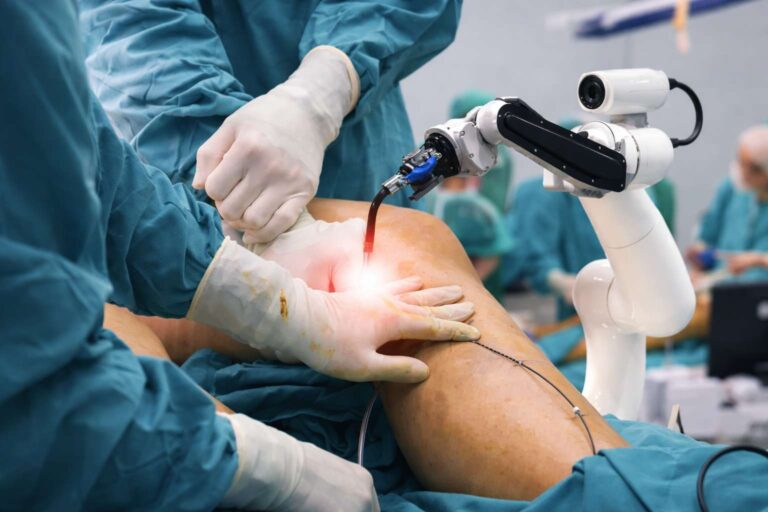
Robotic knee replacement is an advanced orthopedic procedure that improves surgical precision, alignment accuracy, and long-term outcomes for people with severe knee joint damage. In Ernakulam, many patients are increasingly choosing robotic knee replacement because of its potential benefits in recovery, implant positioning, and functional results. However, one of the most common concerns patients have before proceeding with this technology-assisted surgery is understanding what actually determines its cost.
The cost of robotic knee replacement is not fixed. It varies based on multiple medical, technical, and patient-specific factors. Knowing these factors helps patients plan better, ask the right questions, and make informed decisions without confusion or unrealistic expectations.
This page explains in detail the key elements that influence robotic knee replacement cost and why prices may differ from one patient to another.
Technology and Robotic System Used
One of the primary factors affecting cost is the type of robotic system used during surgery. Robotic knee replacement relies on advanced computer-assisted platforms that help surgeons plan and execute the procedure with high accuracy.
These systems involve:
Pre-operative digital planning software
Real-time tracking sensors
Robotic arms or navigation tools
Advanced imaging integration
High-end robotic platforms require significant investment, maintenance, and calibration. The use of newer or more sophisticated robotic systems usually increases the overall cost compared to conventional knee replacement.
Type and Quality of Knee Implant
The knee implant used during robotic knee replacement plays a major role in determining cost.
Cost variations depend on:
Implant material quality
Design and biomechanics
Longevity and wear resistance
Compatibility with robotic technology
Premium implants designed for better movement, durability, and long-term performance may cost more initially but often provide better outcomes and reduce the need for future revision surgery.
Pre-Surgical Planning and Imaging
Robotic knee replacement involves detailed pre-operative planning, which is more advanced than traditional surgery.
This planning may include:
High-resolution X-rays or CT scans
3D digital knee modeling
Customized surgical mapping
These imaging and planning steps help ensure accurate implant positioning and alignment but also contribute to the overall cost. The more personalized the planning, the higher the resource utilization.
Severity of Knee Damage
The extent of knee joint damage significantly affects cost.
Patients with:
Severe arthritis
Bone deformities
Ligament instability
Previous knee surgeries
may require more complex planning, longer operating time, and additional surgical steps. Increased complexity often results in higher costs due to longer use of robotic systems and operating theatre resources.
Surgical Time and Complexity
Robotic knee replacement can involve longer operating time, especially in complex cases.
Factors influencing surgical time include:
Degree of joint deformity
Bone quality
Muscle and ligament condition
Need for additional corrections
Longer surgery means increased use of:
Operation theatre facilities
Anesthesia services
Surgical staff and equipment
All of these contribute to the final cost.
Hospital Infrastructure and Facilities
Hospital infrastructure plays a crucial role in determining cost.
Advanced hospitals offering robotic knee replacement typically provide:
Dedicated robotic operating theatres
Advanced sterilization systems
Modern recovery rooms
Intensive post-operative monitoring
Higher standards of infrastructure, safety protocols, and patient comfort are reflected in pricing. These facilities also help reduce complications and support smoother recovery.
Anesthesia and Pain Management Protocols
Robotic knee replacement often uses modern anesthesia and pain management techniques to improve comfort and recovery.
Cost may be influenced by:
Type of anesthesia used
Advanced pain control methods
Post-operative pain management systems
Better pain control protocols may slightly increase cost but significantly enhance patient experience and early mobility.
Post-Surgery Care and Rehabilitation
Rehabilitation is a vital part of robotic knee replacement success and also affects cost.
This may include:
In-hospital physiotherapy
Assisted walking sessions
Follow-up rehabilitation planning
Early mobility programs
Facilities that provide structured and supervised rehabilitation may charge more, but they often contribute to faster recovery and better long-term outcomes.
Duration of Hospital Stay
Length of hospital stay directly impacts cost.
Hospital stay depends on:
Patient’s overall health
Speed of recovery
Presence of medical conditions
Pain control and mobility progress
Although robotic knee replacement often supports quicker recovery, some patients may need extended observation or care, which increases total cost.
Patient’s Medical Condition
Pre-existing health conditions influence both surgical planning and cost.
Conditions such as:
Diabetes
Heart disease
Obesity
Blood pressure issues
may require additional evaluations, monitoring, and precautions. These extra measures help ensure safety but may add to the overall expense.
Experience of the Surgical Team
The expertise of the surgical team is another important factor.
Highly trained teams experienced in robotic knee replacement:
Perform accurate surgical planning
Reduce complication risks
Improve implant longevity
Their expertise contributes to better outcomes and safety, which may be reflected in cost differences.
Use of Advanced Safety Protocols
Robotic knee replacement often involves strict safety and infection-control protocols.
These include:
Advanced sterilization
Infection prevention systems
Continuous monitoring
Such protocols add value by reducing complications but also increase operational costs.
Customization and Personalization
Robotic knee replacement allows a higher level of personalization compared to conventional surgery.
Customized planning based on:
Individual anatomy
Gait pattern
Alignment goals
requires advanced software and data processing, which can influence overall cost.
Approximate Cost Range of Robotic Knee Replacement
The cost of robotic knee replacement can vary widely based on the factors discussed above. On average, the approximate cost may range from ₹2 lakhs to ₹6.5 lakhs per knee, depending on the robotic system used, implant quality, hospital infrastructure, complexity of the condition, and rehabilitation support. This figure is only an estimate, and the final cost is determined after a detailed medical evaluation and treatment planning.
Long-Term Value Consideration
While robotic knee replacement may appear more expensive initially, many patients consider its long-term value.
Benefits such as:
Improved alignment
Better joint function
Reduced implant wear
Lower revision risk
can translate into fewer complications and better durability, making the investment worthwhile over time.
Why Cost Varies Between Patients
No two robotic knee replacement cases are identical. Cost variation exists because each patient differs in anatomy, health condition, surgical complexity, and recovery needs. A personalized evaluation is essential to determine an accurate estimate.
Making an Informed Decision
Understanding what determines the cost of robotic knee replacement helps patients:
Plan finances realistically
Avoid misconceptions
Compare treatment options correctly
Focus on value rather than price alone
Cost should always be evaluated alongside safety, expertise, technology, and long-term outcomes.
Final Thoughts
Robotic knee replacement cost is influenced by a combination of technology, implant choice, surgical complexity, hospital infrastructure, rehabilitation, and individual patient factors. When evaluated holistically, this advanced approach offers precision, safety, and long-term benefits for patients seeking lasting relief from knee pain in Ernakulam.
Table of Contents
Introduction:
Robotic knee replacement surgery is an advanced joint replacement procedure that uses robotic assistance to improve precision in implant placement and alignment. Learn more
Consultation:
A consultation involves clinical evaluation, imaging review, assessment of joint damage, and discussion of suitability for robotic-assisted surgery. Learn more
Steps:
The procedure includes preoperative planning, anesthesia, robotic-guided bone preparation, implant placement, and surgical closure. Learn more
Risks:
Risks may include infection, blood clots, implant-related issues, stiffness, or delayed recovery. Learn more
Before-and-after:
Before-and-after results commonly show reduced pain, improved joint alignment, enhanced mobility, and better functional outcomes. Learn more
Frequently Asked Questions.
The cost is mainly determined by the robotic technology used, type of knee implant, hospital facilities, surgical complexity, pre-surgical planning, and post-operative rehabilitation needs.
Yes, robotic knee replacement usually costs more because it involves advanced robotic systems, detailed digital planning, and higher precision technology that improves surgical accuracy.
Yes. Premium implants with better durability, movement mechanics, and compatibility with robotic systems can increase the overall cost of robotic knee replacement.
Severe arthritis, joint deformities, or previous knee surgeries may require more complex planning and longer surgical time, which can increase the cost.
Yes. Hospitals with advanced robotic operating theaters, modern recovery units, and higher safety standards generally have higher costs due to superior facilities and care.
Pre-operative imaging such as X-rays or CT scans and detailed 3D surgical planning are often part of the robotic procedure and can influence the overall cost.
Yes. Longer hospital stays due to medical conditions or slower recovery can increase the total cost of robotic knee replacement.
Yes. Patients with existing medical conditions may require additional evaluations, monitoring, and precautions, which can add to the overall treatment cost.
In some cases, basic rehabilitation is included, but extended physiotherapy or specialized recovery programs may increase the total cost.
Each patient’s knee condition, anatomy, health status, surgical complexity, implant choice, and recovery needs are different, leading to variations in overall cost.

Dr. Muhammed Thameem Puthukkattu is Kerala’s foremost authority in knee replacement surgery, specializing in advanced non-robotic,hip and robotic-assisted techniques that ensure precision and optimal outcomes.