
Robotic Knee Replacement Evaluation and Consultation
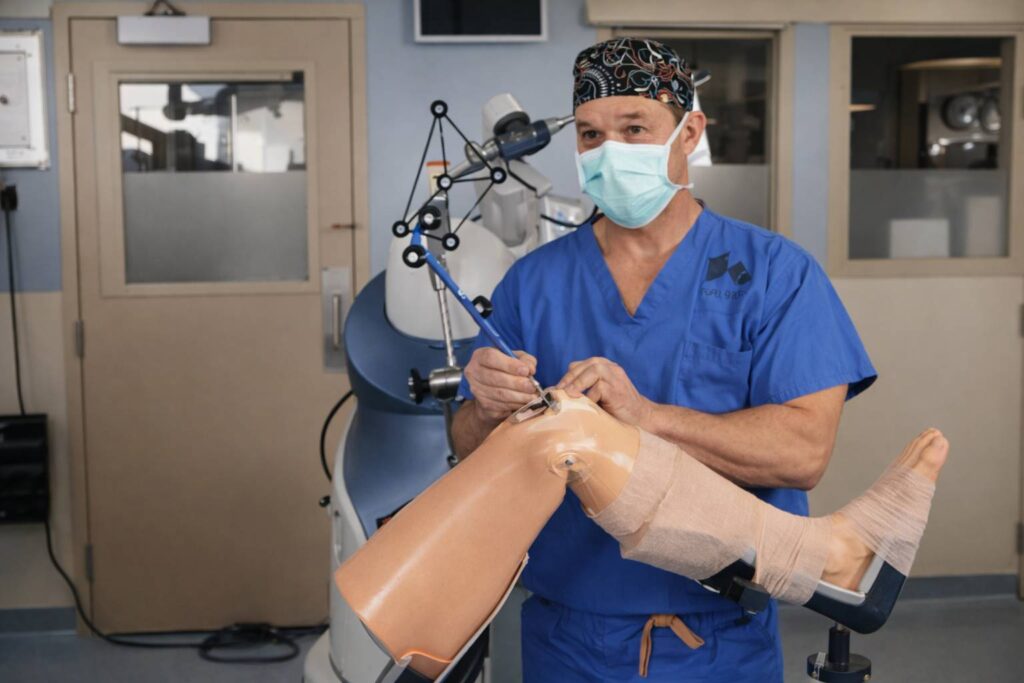
A Robotic Knee Replacement Consultation is the first and most important step for individuals considering advanced knee replacement treatment. In Ernakulam, patients increasingly seek this consultation to understand whether robotic-assisted knee replacement is suitable for their knee condition, lifestyle needs, and long-term mobility goals. This consultation focuses on detailed evaluation, education, and personalized planning rather than rushing into surgery.
The purpose of this consultation is to assess knee damage accurately, discuss treatment options, and determine whether robotic technology can improve precision, alignment, and recovery outcomes for the patient.
Purpose of a Robotic Knee Replacement Consultation
The consultation is designed to provide clarity and confidence before making any surgical decision. It helps patients understand:
The severity of knee joint damage
Whether knee replacement is required or can be delayed
The role of robotic technology in improving accuracy
Expected outcomes, recovery timeline, and limitations
Risks, benefits, and long-term results
This structured discussion ensures that patients make informed decisions based on medical evidence and personal expectations.
When a Consultation Becomes Necessary
A robotic knee replacement consultation is recommended when knee problems begin to interfere with daily life and conservative treatments no longer provide relief. Common reasons include:
Persistent knee pain during walking or standing
Difficulty climbing stairs or getting up from sitting
Knee stiffness limiting bending or straightening
Swelling or deformity around the knee joint
Pain affecting sleep and daily activities
Reduced response to medications, injections, or physiotherapy
Early consultation helps identify the right time for intervention and prevents further joint deterioration.
What Happens During the Initial Evaluation
Medical History Review
The consultation begins with a detailed discussion about:
Duration and severity of knee pain
Previous injuries or surgeries
Treatments already tried and their effectiveness
Activity level, occupation, and lifestyle needs
General health conditions such as diabetes or hypertension
This information helps build a complete picture of the patient’s condition.
Physical Examination of the Knee
A thorough physical assessment is performed to evaluate:
Range of motion
Knee stability and alignment
Muscle strength around the joint
Swelling, tenderness, or deformity
Walking pattern and functional limitations
This step identifies how the knee problem affects movement and balance.
Advanced Imaging and Diagnostic Tests
Imaging plays a crucial role in a robotic knee replacement consultation. Tests may include:
Digital X-rays to assess joint space and alignment
Specialized scans for detailed joint mapping
Bone quality and structural assessment
These images are often used to create a digital model of the knee, which helps in precise surgical planning if robotic assistance is considered.
Understanding Robotic Planning During Consultation
One of the key aspects of a robotic knee replacement consultation is explaining how robotic technology assists in planning. This includes:
Creating a 3D map of the knee joint
Analyzing alignment and bone structure
Planning implant size and positioning
Simulating joint movement before surgery
This planning allows the surgical team to customize the procedure according to the patient’s unique anatomy rather than using a one-size-fits-all approach.
Determining Candidacy for Robotic Knee Replacement
Not every patient with knee pain requires robotic-assisted surgery. During the consultation, suitability is evaluated based on:
Severity of arthritis or joint damage
Degree of deformity
Bone quality and joint stability
Overall medical fitness
Activity expectations after surgery
Patients who benefit most are those seeking high precision, better alignment, and long-term implant performance.
Discussion of Benefits During Consultation
The consultation includes a detailed explanation of potential advantages, such as:
Improved accuracy in implant placement
Better knee alignment and balance
Reduced damage to surrounding tissues
More predictable outcomes
Potential for faster rehabilitation
Improved confidence during movement
These benefits are discussed realistically, without exaggerated promises.
Risks and Limitations Explained Clearly
A responsible robotic knee replacement consultation always includes a transparent discussion about risks and limitations, including:
General surgical risks
Possibility of stiffness or swelling
Recovery commitment and rehabilitation effort
Implant wear over time
The importance of following post-treatment instructions
This helps patients develop realistic expectations and prepare mentally and physically.
Cost Guidance During Consultation
While exact costs may vary, the consultation provides clarity on:
Factors influencing robotic knee replacement costs
Technology and implant considerations
Hospital stay and rehabilitation needs
Long-term value versus initial expense
Patients are encouraged to view the procedure as a long-term mobility investment rather than focusing only on short-term cost.
Role of Patient Education and Interaction
A robotic knee replacement consultation is interactive, allowing patients to ask questions and express concerns. Common discussion points include:
Difference between robotic and conventional methods
Expected recovery milestones
Pain management strategies
Return to daily activities
Long-term lifestyle modifications
This open communication builds trust and confidence.
Preparing for the Next Step After Consultation
After completing the consultation, patients may be advised to:
Continue non-surgical treatment if appropriate
Optimize medical conditions before surgery
Begin strengthening exercises
Plan lifestyle and home modifications
Schedule surgery when medically and personally ready
The consultation empowers patients to move forward at their own pace.
Importance of Timely Consultation
Delaying consultation despite severe symptoms can lead to:
Increased deformity
Muscle weakness
Reduced surgical outcomes
Longer recovery time
Early evaluation ensures better planning and smoother treatment progression.
Final Thoughts on Robotic Knee Replacement Consultation
A Robotic Knee Replacement Consultation is not just a medical appointment—it is a comprehensive decision-making process that prioritizes safety, precision, and patient understanding. By combining clinical expertise with advanced planning technology, this consultation ensures that treatment decisions are accurate, personalized, and aligned with long-term mobility goals. For patients seeking advanced knee care in Ernakulam, timely consultation plays a crucial role in achieving better outcomes and renewed confidence in movement.
Table of Contents
Introduction:
Robotic knee replacement surgery is an advanced joint replacement procedure that uses robotic assistance to improve precision in implant placement and alignment. Learn more
Cost:
The cost varies based on implant type, robotic technology use, hospital facilities, and postoperative care requirements. Learn more
Steps:
The procedure includes preoperative planning, anesthesia, robotic-guided bone preparation, implant placement, and surgical closure. Learn more
Risks:
Risks may include infection, blood clots, implant-related issues, stiffness, or delayed recovery. Learn more
Before-and-after:
Before-and-after results commonly show reduced pain, improved joint alignment, enhanced mobility, and better functional outcomes. Learn more
Frequently Asked Questions.
A robotic knee replacement consultation is an appointment where the surgeon evaluates your knee condition and determines whether robotic-assisted knee replacement surgery is suitable for you.
During the consultation, the doctor reviews your symptoms, medical history, X-rays or scans, examines knee movement, and explains whether robotic surgery is recommended.
People with severe knee pain, advanced arthritis, stiffness, or difficulty walking that does not improve with medications or physiotherapy should consider this consultation.
If you already have recent knee X-rays or MRI scans, you should bring them; otherwise, the doctor may advise imaging during or after the consultation.
Robotic knee replacement uses computer-assisted technology to improve precision, alignment, and implant placement compared to conventional methods.
Not always. The surgeon may recommend surgery immediately or suggest further tests, conservative treatments, or monitoring based on your condition.
Not all patients are suitable; suitability depends on factors like knee damage severity, bone quality, medical health, and overall fitness.
Yes, the doctor explains expected recovery time, physiotherapy requirements, walking timeline, and return to daily activities.
No, the consultation involves discussion and physical examination only and is generally painless.
A detailed consultation usually takes about 20 to 40 minutes, depending on evaluation and discussion needs.

Dr. Muhammed Thameem Puthukkattu is Kerala’s foremost authority in knee replacement surgery, specializing in advanced non-robotic,hip and robotic-assisted techniques that ensure precision and optimal outcomes.