
What results can I expect after total knee replacement surgery, For individuals considering total knee replacement surgery in Kerala, understanding the expected results after the procedure is an important part of informed decision-making. Total knee replacement is performed to relieve pain, correct joint deformity, and restore function in knees affected by severe arthritis or joint damage. While outcomes vary from person to person, most individuals experience meaningful improvements in comfort, mobility, and overall quality of life after surgery.
Total knee replacement does not provide instant results. Instead, benefits develop gradually as healing progresses, physiotherapy continues, and strength and confidence improve. Knowing what results are commonly achieved—and what takes time—helps set realistic expectations and supports long-term satisfaction with the surgery.
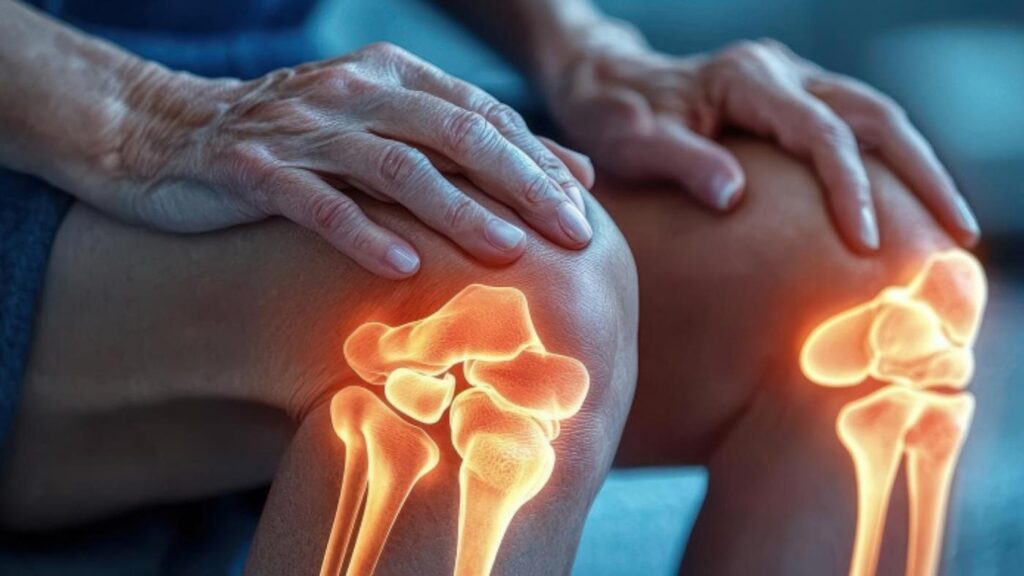
1. Pain Relief After Total Knee Replacement
Reduction in Chronic Knee Pain
One of the primary goals of total knee replacement surgery is relief from long-standing knee pain. Most individuals undergo surgery because pain has become persistent and limiting despite medications, physiotherapy, or injections.
After recovery, many patients report:
Significant reduction in joint pain
Relief from pain during walking, standing, and sitting
Improved comfort during daily activities
Some mild discomfort or stiffness may still be present, especially during prolonged activity or weather changes, but this is usually far less severe than pre-surgery pain.
Post-Surgical Pain vs Long-Term Pain
It is important to distinguish between short-term surgical pain and long-term outcomes. Temporary pain from surgery gradually improves with healing and rehabilitation. Long-term results focus on reduced arthritis-related pain and improved joint function.
2. Improved Mobility and Movement
Better Range of Motion
After total knee replacement surgery, most individuals experience improved knee movement compared to their condition before surgery. Bending and straightening the knee becomes easier as swelling reduces and muscles regain strength.
Common functional improvements include:
Easier walking
Improved ability to sit and stand
Better knee flexibility for daily tasks
Physiotherapy plays a major role in achieving and maintaining good range of motion.
Walking and Weight-Bearing
Most patients are able to walk with support shortly after surgery. Over time, walking becomes more comfortable, balanced, and less tiring. Many individuals are able to walk longer distances than they could before surgery, without the same level of pain or instability.
3. Better Performance of Daily Activities
Everyday Tasks
Total knee replacement often improves the ability to perform routine activities such as:
Climbing stairs
Getting in and out of chairs
Standing for longer periods
Household tasks
These improvements develop gradually and depend on consistent rehabilitation and adherence to recovery guidance.
Independence and Confidence
As knee function improves, many individuals regain independence that was limited before surgery. Reduced pain and better mobility often increase confidence in movement and reduce fear of joint instability.
4. Correction of Knee Deformity and Alignment
Improved Joint Alignment
In advanced knee arthritis, deformities such as bowing or knock-knee positioning may develop. Total knee replacement helps correct joint alignment by replacing damaged joint surfaces with artificial components designed to restore proper positioning.
Balanced Joint Function
Corrected alignment often leads to:
More even weight distribution
Improved balance
Reduced strain on surrounding joints
These changes contribute to long-term comfort and function.
5. Enhanced Quality of Life
Return to Social and Recreational Activities
After recovery, many individuals resume activities that were previously limited by knee pain, such as:
Light recreational walking
Social outings
Travel and daily errands
While high-impact activities are usually discouraged, low-impact activities are often well tolerated.
Emotional and Mental Well-Being
Chronic pain can affect mood, sleep, and overall well-being. Relief from persistent knee pain often leads to:
Improved sleep quality
Reduced stress related to movement
Better overall outlook and confidence
These benefits contribute significantly to patient satisfaction after surgery.
6. Strength and Stability Improvements
Muscle Strength Recovery
Muscles around the knee may weaken before surgery due to limited movement and pain. After surgery, physiotherapy helps rebuild muscle strength, particularly in the quadriceps and surrounding muscles.
Improved muscle strength supports:
Joint stability
Safer walking and movement
Reduced risk of falls
Knee Stability
The artificial knee joint is designed to provide stability during movement. As muscles strengthen and coordination improves, most individuals feel more secure while walking and changing positions.
7. Longevity of Results
Durability of Knee Implants
Modern knee implants are designed to last many years. With appropriate activity modification, regular follow-up, and healthy habits, many individuals enjoy long-term benefits from their knee replacement.
Factors That Influence Long-Term Results
Long-term outcomes depend on several factors, including:
Overall health
Body weight
Activity levels
Adherence to physiotherapy and follow-up care
Maintaining joint health after surgery supports lasting results.
8. Realistic Expectations After Surgery
What Total Knee Replacement Can Achieve
Total knee replacement is highly effective for:
Reducing pain
Improving joint function
Enhancing mobility
What It May Not Fully Restore
While results are generally positive, it is important to understand that:
The knee may not feel exactly like a natural joint
High-impact sports are usually not recommended
Some stiffness may persist in certain situations
Setting realistic expectations helps avoid disappointment and supports satisfaction with outcomes.
9. Role of Rehabilitation in Achieving Results
Importance of Physiotherapy
Physiotherapy is essential for achieving optimal results after total knee replacement surgery. Regular exercises help improve:
Strength
Flexibility
Coordination
Active Participation in Recovery
Patients who actively participate in rehabilitation programs and follow medical advice tend to experience better functional outcomes and smoother recovery.
10. Individual Variations in Results
Recovery Is Personal
Each individual’s results after total knee replacement surgery vary based on age, health status, severity of joint damage, and commitment to rehabilitation.
Gradual Progress
Improvements continue over months, and patience is important. Small gains over time add up to meaningful long-term benefits.
Conclusion
Understanding what results can be expected after total knee replacement surgery helps individuals prepare mentally and physically for recovery. The procedure is designed to reduce pain, improve mobility, restore joint alignment, and enhance overall quality of life. While results develop gradually and vary between individuals, most patients experience meaningful improvements that allow them to return to more comfortable and active daily living. With proper rehabilitation, realistic expectations, and ongoing care, total knee replacement surgery can provide lasting benefits and improved knee function for many years, including for those undergoing the procedure in Kerala.
Frequently Asked Questions
1. What is the main goal of total knee replacement surgery?
The main goal is to reduce chronic knee pain, improve joint function, and restore mobility affected by severe knee damage.
2. How soon can improvement be noticed after total knee replacement surgery?
Initial improvement may be noticed within a few weeks, while full benefits develop gradually over several months.
3. Will total knee replacement surgery completely remove knee pain?
Most individuals experience significant pain relief, though mild discomfort or stiffness may persist in some situations.
4. How much mobility improvement can be expected after surgery?
Most patients experience improved walking ability, better knee movement, and increased ease in daily activities.
5. Can stairs be climbed after total knee replacement surgery?
Yes, climbing stairs usually becomes easier over time with proper physiotherapy and muscle strengthening.
6. How long do the results of total knee replacement surgery usually last?
With appropriate care and activity modification, results can last many years.
7. Is physiotherapy important for achieving good results?
Yes, physiotherapy is essential for restoring strength, flexibility, and achieving the best functional outcome.
8. Will the knee feel completely normal after replacement surgery?
The knee may not feel exactly like a natural joint, but it is usually much more comfortable and functional.
9. Are there activities that should be avoided after total knee replacement surgery?
High-impact activities are generally discouraged to protect the artificial knee joint.
10. Do results vary between individuals after total knee replacement surgery?
Yes, outcomes vary depending on overall health, rehabilitation effort, and individual healing response.
Total knee replacement surgery is a procedure in which damaged knee joint surfaces are replaced with artificial components to relieve pain and improve movement. Total Knee Replacement
Total knee replacement is suitable for individuals with severe knee pain, stiffness, and joint damage that no longer improves with medications, injections, or physiotherapy. Candidates
The cost of total knee replacement varies based on implant type, surgical technique, hospital stay, and rehabilitation requirements, so an individualized evaluation is essential. Cost
During a consultation, the orthopedic surgeon evaluates symptoms, knee function, X-ray/MRI reports, medical fitness, lifestyle needs, and treatment history to decide whether surgery is necessary — Consultation.
Patients should ask about the necessity of surgery, procedure details, implant type, benefits, risks, hospital stay, recovery time, rehabilitation, and long-term expectations — Questions to Ask.
Total knee replacement is generally safe and highly successful, though complications like infection, bleeding, blood clots, stiffness, or implant wear may rarely occur, which can be minimized with expert care — Risks and Safety.
Preparation includes medical evaluation, medication review, pre-surgery exercises, home planning, and understanding the procedure and recovery process. Preparation
The procedure involves removing damaged joint surfaces, placing artificial components, restoring alignment, and closing the joint with postoperative care. Steps
Recovery typically includes pain control, early mobilization, physiotherapy, gradual strength improvement, and regular follow-up visits. Recovery
Before-and-after results often show reduced pain, improved joint alignment, increased walking ability, and better overall knee movement. Before and after
Choosing the right surgeon involves assessing experience, specialization in joint replacement, patient outcomes, and clear communication. Choosing the right surgeon